

5 Simple Wellness Habits You Can Start Tonight
Most people assume building a wellness routine requires a gym membership, expensive supplements, or a complete schedule overhaul. The research disagrees. A 2023 study published through the American Psychological Association found that small, consistent behavioral rituals reduce perceived stress more reliably than infrequent large interventions. The truth is that simple wellness habits work best when they fit into what you already do, using what you already own. Tonight, with no new purchases and no extra time carved out, you can start five of them.
Table of Contents
- Quick Takeaways
- Why Starting Tonight Actually Matters
- Habit 1: The Warm Bath Reset
- Habit 2: Scent Anchoring for Mental Transition
- Habit 3: A Hard Digital Cutoff
- Habit 4: The Two-Minute Body Check-In
- Habit 5: Comfort Layering Before Bed
- Comparing Three Evening Routine Approaches
- Frequently Asked Questions
- References
Quick Takeaways
| Key Insight | Explanation |
|---|---|
| Warmth triggers physical relaxation | A warm bath or foot soak raises then lowers core body temperature, signaling the nervous system to shift into rest mode. |
| Scent creates psychological anchors | Repeated use of the same fragrance during wind-down trains the brain to associate that scent with calm, reducing time to sleep onset. |
| Digital cutoffs are not optional extras | Screens suppress melatonin production for up to two hours post-exposure. A cutoff is a physiological necessity, not a lifestyle luxury. |
| A body check-in costs two minutes | Scanning tension in the body without trying to fix it immediately lowers cortisol and improves sleep quality over time. |
| Comfort clothing signals the brain | Changing into soft, loose clothing is a behavioral cue that separates the work day from personal time, reducing mental rumination. |
| Consistency beats intensity every time | Doing five small habits nightly for three weeks produces stronger habit formation than an elaborate two-hour routine done occasionally. |
| Your existing products are enough | A candle, a soft robe, and a bathtub are sufficient tools to execute all five habits described here without buying anything new. |
Why Starting Tonight Actually Matters
Habit science is clear on one point: the longer you delay a behavior, the less likely it is to happen. According to research from University College London, it takes an average of 66 days for a behavior to become automatic, but the first repetition has to happen somewhere. Tonight is that somewhere.
A common mistake is treating a wellness routine like a project to plan rather than a behavior to start. Planning feels productive but generates zero physiological benefit. The habits below are designed to work on the first attempt, with no preparation required.

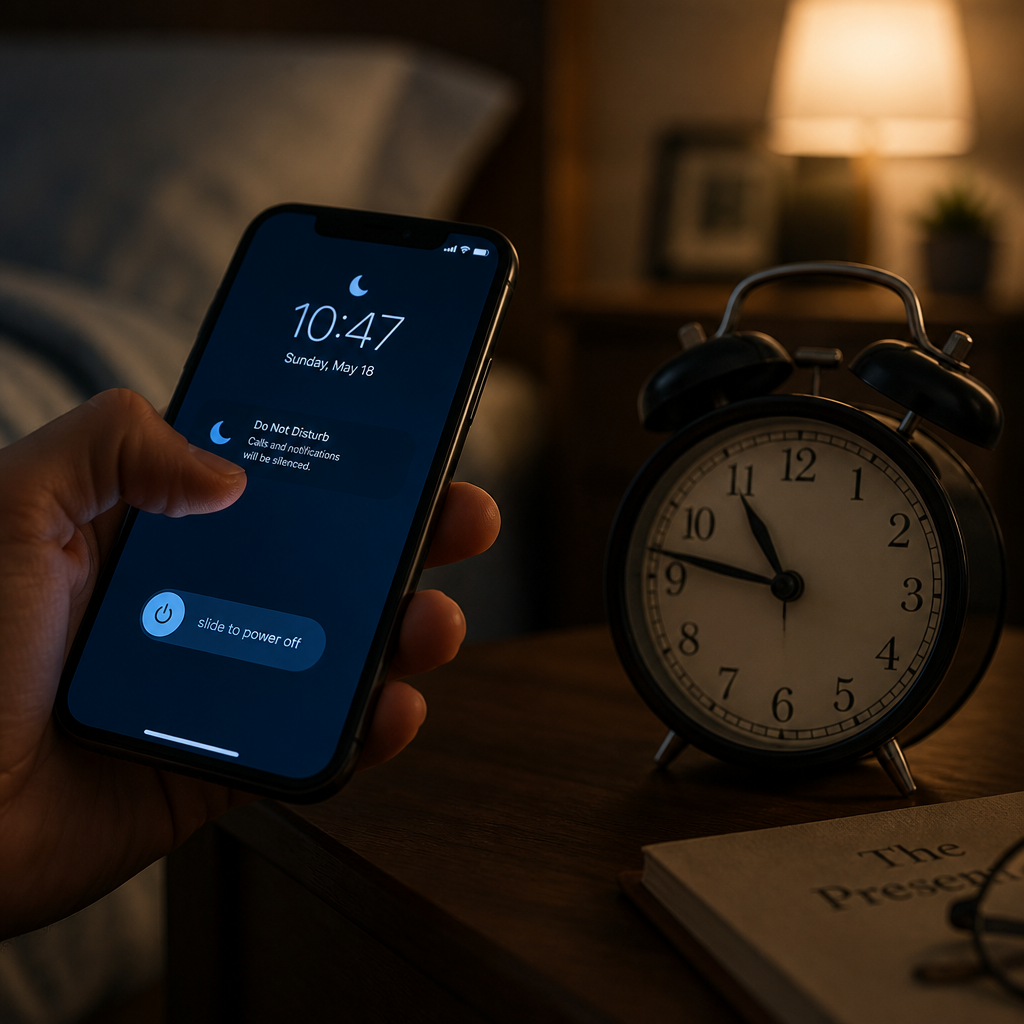
The other reason tonight matters specifically is that evening is when the nervous system is most receptive to downregulation signals. Morning routines are useful, but the evening window, roughly the ninety minutes before sleep, is when cortisol is naturally declining and small behavioral inputs have the greatest calming effect. Working with that biological window, rather than against it, is where these self-care habits tonight get their power.
Habit 1: The Warm Bath Reset
A warm bath is not a luxury habit. It is a thermoregulation tool. Research published in Sleep Medicine Reviews confirms that soaking in water between 40 and 43 degrees Celsius for as little as ten minutes, one to two hours before bed, improves sleep onset speed by an average of ten minutes. The mechanism is straightforward. Warm water raises your core body temperature, and the subsequent drop after you exit the bath mimics the natural temperature decline your body uses as a sleep trigger.
What to Use From What You Already Own
You do not need bath bombs, salts, or any product to get this benefit. Plain warm water works. If you have Epsom salts in the cupboard, adding two cups enhances muscle relaxation through magnesium absorption. If you have any bath oil or body wash, the scent adds a secondary benefit covered in Habit 2. If you're restocking and want a soak with the eucalyptus done for you, Bathorium's Eucalyptus Apothecary Crush Soak is a mineral base with the scent already built in rather than something to blend yourself.
If a full bath is not practical tonight, a ten-minute foot soak in a large bowl achieves a meaningful portion of the same effect. Feet have a high concentration of blood vessels close to the skin surface, making them particularly efficient at heat exchange.
Pro tip: Draw the bath while doing something else, so the preparation time disappears into your existing evening. The bath itself is the only real time cost.
Habit 2: Scent Anchoring for Mental Transition
The olfactory system is the only sensory system with a direct pathway to the amygdala, the brain's emotional processing center. This is why scent triggers memory and mood faster and more reliably than sound or sight. Scent anchoring uses that direct pathway deliberately, pairing a consistent fragrance with the beginning of your wind-down time so the brain learns to respond to that scent with calm.
How to Build an Anchor With a Candle or Lotion
If you own a candle, light it only during your evening routine. Nowhere else, no other time. That specificity is what creates the anchor. Within two to three weeks of consistent use, the act of lighting the candle becomes a trigger in itself, before the scent even reaches full diffusion. Lavender, chamomile, and sandalwood are the most studied options for calming effect, but the scent itself matters less than its exclusivity to this ritual.
If you have a body lotion, applying it right after your bath with slow, deliberate strokes to the hands, arms, and legs works the same way. The combination of touch and scent doubles the sensory input to the calming signal.
"The sense of smell is the most direct route to emotional memory. When you pair a specific scent with a desired emotional state consistently, you are essentially programming a shortcut." - Dr. Johan Lundstrom, neuropsychologist, Monell Chemical Senses Center
Habit 3: A Hard Digital Cutoff
This is the habit most people know they need and consistently skip. The National Sleep Foundation's data shows that 90 percent of adults in the United States use an electronic device in the hour before bed, and 67 percent report poor sleep quality. The correlation is not coincidental. Blue light from screens inhibits melatonin secretion, and the cognitive stimulation from scrolling or messaging keeps the prefrontal cortex active when it needs to be winding down.
A hard digital cutoff means screens off, not on silent, not face-down. Sixty minutes before your intended sleep time is the minimum effective window. Ninety minutes produces measurably better results.
What to Do Instead
The common failure point is stopping screens without replacing the behavior. Scrolling fills a need, usually a need for low-effort stimulation or a sense of transition from the day. Replace it with something that meets that same need at lower cognitive cost. A physical book works. So does a simple stretching sequence on the floor. So does sitting with a lit candle and nothing else for five minutes, which is harder than it sounds but more restorative than anything on a screen.
Pro tip: Set your phone's screen time limit to lock social apps at a specific hour. Willpower is a depleting resource by evening. Automate the cutoff so the decision is already made.
Habit 4: The Two-Minute Body Check-In
This habit costs nothing and requires no equipment. It is a brief scan of physical tension held in the body, done deliberately before the mind moves into sleep mode. Most people carry tension in predictable places, the jaw, the shoulders, the hands, and the lower back, without ever consciously registering it until pain becomes impossible to ignore.
The two-minute body check-in involves lying down or sitting comfortably and moving attention slowly from feet to head, noticing where tension exists without trying to immediately fix it. Simply noticing is enough to begin releasing the autonomic hold on that tension. This is a simplified version of the body scan technique used in Mindfulness-Based Stress Reduction, a protocol with over forty years of clinical research behind it.
Why Observation Beats Forcing Relaxation
The instinct is to tell yourself to relax. That approach rarely works and can increase frustration. Observation without judgment activates the parasympathetic nervous system more reliably because it removes the performance pressure of having to achieve a state. You are not trying to relax. You are simply taking inventory. Relaxation follows as a byproduct in most cases.
In practice, two minutes is enough for a full body scan if you move attention fairly briskly. The goal is not depth of relaxation in the first week. The goal is consistency of the habit itself, which builds the neurological pathway that makes it more effective over time.
Habit 5: Comfort Layering Before Bed
The act of changing into comfortable clothing is underestimated as a psychological tool. Behavioral cue science, studied extensively in habit research by Charles Duhigg and James Clear, shows that environmental and sensory cues signal the brain about what mode to enter. Staying in work clothes or street clothes through the evening keeps the brain in an ambiguous state, not fully switched off from the demands of the day.
Changing into soft, loose clothing, a robe, pajamas, or even a soft oversized shirt, is a physical declaration that the day is done. It is a cue, not a luxury. The softer and more distinct the fabric from your daytime clothing, the stronger the signal. This is one reason quality robes and loungewear are more effective than old t-shirts for this purpose. The sensory contrast matters.
Layering the Sensory Environment
Comfort layering extends beyond clothing. Dimming overhead lights, lowering room temperature slightly, and removing shoes the moment you enter home all contribute to the same environmental cue stack. Each small change stacks on the others, building a cumulative signal to the nervous system that the high-alert phase of the day is finished. This is what a wellness routine at home actually looks like when it works: a series of small sensory transitions, not a single dramatic ritual.
Comparing Three Evening Routine Approaches
Not all approaches to evening self-care deliver the same results. The table below compares three common frameworks against each other based on the factors that actually matter for real, sustained habit formation.
| Approach | Time Required | Evidence Base and Effectiveness |
|---|---|---|
| The Five-Habit Stack (this article) | 20 to 30 minutes total, built into existing activities | Each habit draws on peer-reviewed behavioral and sleep science. High sustainability because no new time blocks are required. |
| Full Wellness Routine (popular lifestyle approach) | 60 to 90 minutes of dedicated time | Effective when followed consistently, but abandonment rates are high because the time commitment is unsustainable on weeknights for most adults. |
| Single Habit Focus (one change at a time) | 5 to 15 minutes | Lowest barrier to entry and best for true beginners. Less comprehensive but excellent for building momentum before adding additional habits. |
The five-habit stack wins for most people because it threads habits into existing behaviors rather than requiring a separate time block. The warmth of the bath triggers the scent anchor. The scent anchor cues the digital cutoff. The digital cutoff creates space for the body check-in. The body check-in naturally transitions into comfort layering. The habits chain together, which is why they work even on high-stress evenings when motivation is lowest.
Frequently Asked Questions
How long before I notice a difference from these simple wellness habits?
Most people notice a subjective improvement in sleep quality and evening mood within five to seven days of consistent practice. The physiological effects, particularly from the warm bath and digital cutoff, begin on the first night. The psychological anchoring effects of scent and comfort cues build over two to three weeks as the brain forms conditioned associations.
Do I need to do all five habits every single night?
No, but consistency matters more than completeness. Doing three of the five habits every night produces better long-term results than doing all five sporadically. Start with whichever two or three feel most natural and add the others as the first ones become automatic. The bath and the digital cutoff are the highest-impact starting points if you need to prioritize.
What if I do not have a bathtub?
A foot soak in a large bowl or basin achieves a meaningful portion of the thermoregulation benefit. Use warm water at a comfortable but noticeably warm temperature, sit for ten to fifteen minutes, and combine it with the scent anchoring habit by lighting a candle or applying lotion during the same window. The core mechanism still works.
Can I use these habits to build a self-care routine as a gift idea?
This habit stack translates directly into a thoughtful gift framework. A quality bath soak, a scented candle, and a soft robe cover three of the five habits in a single curated set. The gift is more meaningful when the recipient understands the purpose behind each item, so pairing products with a brief note explaining the evening ritual adds genuine value beyond the objects themselves.
Is it better to do the bath early or right before sleep?
One to two hours before your intended sleep time is the optimal window, based on thermoregulation research. The core body temperature needs time to drop after the bath, and that drop is what triggers sleepiness. A bath taken immediately before bed does not allow enough cooling time and can actually delay sleep onset slightly in some people.
What if I cannot quiet my mind during the body check-in?
That experience is normal and not a sign of failure. The goal of the body check-in is observation, not silence. If thoughts arise, acknowledge them and return attention to physical sensation. Over time, the practice builds what researchers call interoceptive awareness, the ability to notice body signals accurately, and the mental noise during the exercise tends to decrease naturally with consistent practice.
If you have tried any of these habits before or are starting them tonight for the first time, share what worked and what surprised you. Real feedback from real evenings is more useful than any theory.
We would love your feedback and any insights you would share with others. What perspective would you add?
References
- American Psychological Association: research and resources on stress, behavior, and mental health
- National Sleep Foundation: data and guidelines on sleep hygiene and evening screen use
- National Institutes of Health PubMed: peer-reviewed studies on thermoregulation, sleep onset, and mindfulness-based stress reduction
- Harvard Health Publishing: evidence-based guidance on relaxation techniques and evening routine science
- Centers for Disease Control and Prevention: public health data on sleep insufficiency and its effects on adult wellness