

Bath Products for Dry Skin: What Works vs. What Doesn't
If your skin still feels tight, itchy, or flaky after a bath, the problem probably isn't that you forgot to moisturize. It's more likely that the bath products for dry skin you're using are actively making things worse. Harsh cleansers, heavily fragranced bath bombs, and piping-hot water can strip your skin's natural lipid barrier faster than any lotion can rebuild it. This guide cuts through the noise and tells you exactly what works, what to skip, and how to build a dry skin bath routine that actually leaves you feeling better when you step out of the tub.
Table of Contents
- Quick Takeaways
- Why Most Baths Make Dry Skin Worse
- Ingredients That Actually Work for Dry Skin
- Bath Products to Skip If You Have Dry or Sensitive Skin
- Bath Oil vs. Moisturizing Bath Salts: Which Is Better?
- Building Your Dry Skin Bath Routine, Step by Step
- Frequently Asked Questions
- References
Quick Takeaways
| Key Insight | Explanation |
|---|---|
| Hot water strips your skin barrier | Keep bath water warm, not hot. Aim for roughly 32°C to 40°C (90°F to 105°F) to protect your skin's natural oils. |
| Moisturize within three minutes of leaving the tub | Applying moisturizer while skin is still slightly damp traps water in the upper layers of skin and significantly boosts hydration. |
| Fragrance is a top trigger for sensitive, dry skin | Synthetic fragrance in bath products is one of the most common causes of tightness, redness, and irritation on already-compromised skin. |
| Colloidal oatmeal is genuinely therapeutic | Its starches and beta-glucans help retain moisture and reduce inflammation, making it one of the best additions to a dry skin bath. |
| Sulfate-based cleansers are the wrong choice for dry skin | Sodium lauryl sulfate (SLS) and similar surfactants create lather by stripping oils, worsening dryness and barrier damage with every use. |
| Bath oils outperform plain bath salts for moisture | Bath oils coat the skin in an occlusive film that reduces water loss. Plain salts without an oil base can actually increase dryness after bathing. |
| Pat, don't rub, when drying off | Rubbing with a towel physically disrupts already-fragile dry skin. Patting gently leaves enough surface moisture for your moisturizer to seal in. |
Why Most Baths Make Dry Skin Worse
The common assumption is that soaking in water hydrates dry skin. In practice, the opposite is often true. Water, especially hot water, disrupts the skin's outer lipid barrier. Once you step out and that surface water evaporates, it pulls moisture from the deeper layers of skin along with it, leaving you drier than before you got in.
Two things amplify this problem. First, water temperature: very hot baths feel soothing in the moment but accelerate oil loss from the skin's surface. The ideal bath temperature sits between roughly 32°C and 40°C, warm enough to relax muscles and open pores, but not so hot that it actively damages your skin's protective barrier. Second, bath duration: long soaks, even in comfortable water, can soften and swell the outermost skin cells to the point where the barrier function is temporarily compromised. Keeping baths to around 10 to 15 minutes reduces this risk considerably.
What makes a bath actively good for dry skin rather than harmful comes down to what you add to the water and what you put on your skin immediately after. Get both right, and bathing becomes one of the most effective delivery methods for skin hydration you can do at home.
Ingredients That Actually Work for Dry Skin
Not all moisturizing ingredients do the same job. Understanding the three main categories helps you build a bath routine that covers all the bases rather than hoping one product does everything.
Humectants: Pull Water Into the Skin
Humectants attract water from the environment and from deeper skin layers up into the outer skin. Hyaluronic acid and glycerin are the two most well-known examples. In a bath product context, glycerin is common in gentle cleansers and soak additives, while hyaluronic acid shows up in post-bath serums and body lotions applied directly after drying.
A common mistake is using a humectant alone without following it with an occlusive. On its own, a humectant can draw moisture to the skin surface only to let it evaporate into dry air, especially in winter or in air-conditioned spaces. Always layer a richer product on top.
Occlusives: Seal Moisture In
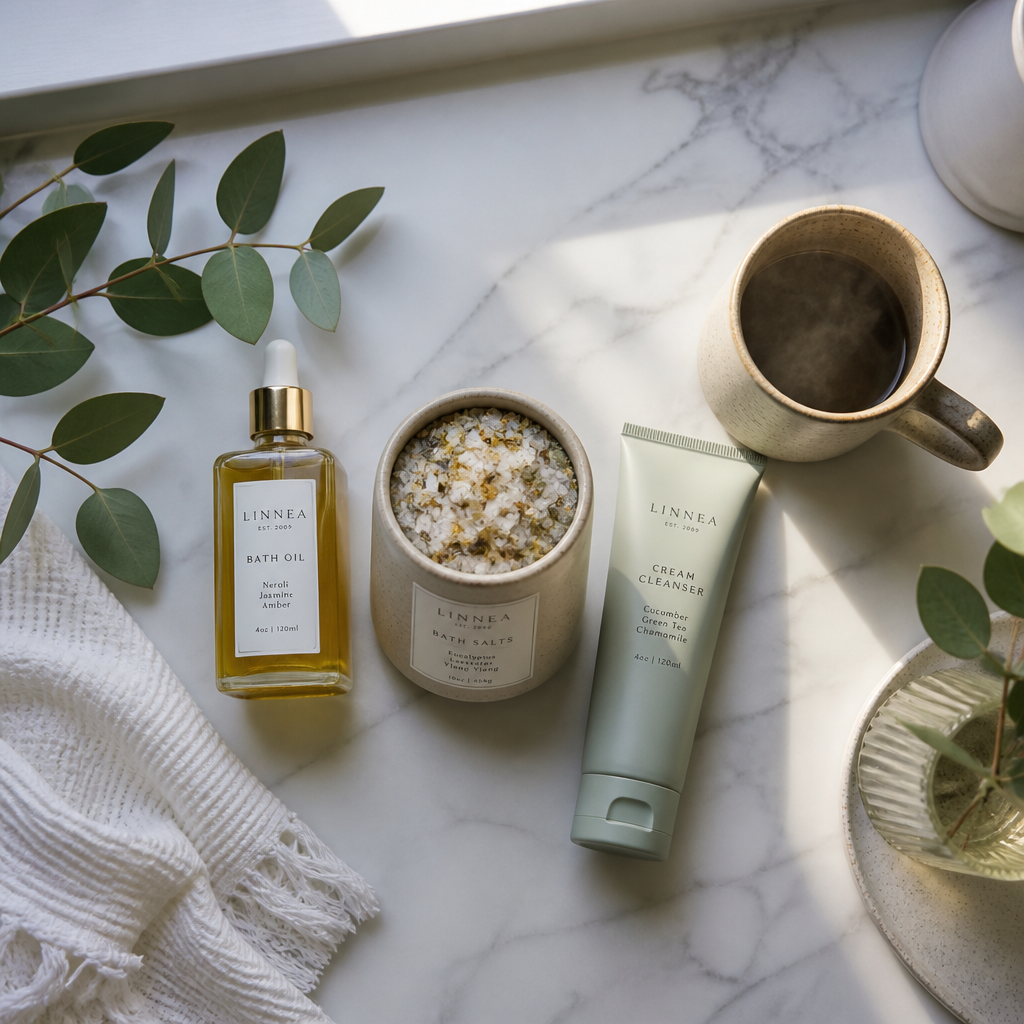
Occlusive ingredients work by forming a physical barrier on the skin's surface that reduces water loss. Petrolatum (Vaseline), shea butter, and dimethicone are effective occlusives. In the bath context, bath oils work as occlusives because a thin film of oil sits on the skin's surface and slows transepidermal water loss after you step out. This is why a bath oil soak feels different to a salt soak: you step out with a protective coating rather than nothing.
Colloidal Oatmeal: The Underrated Skin Protectant
Colloidal oatmeal does double duty. Its starches and beta-glucans help the skin retain moisture, while its anti-inflammatory properties soothe itching and redness associated with dry, irritated skin. Cleveland Clinic notes that for many dry skin conditions, colloidal oatmeal may outperform a plain moisturizer on its own. Fifteen to twenty minutes in a colloidal oatmeal bath is a clinically recognized approach for conditions like eczema and general dry skin.
Ceramides: Rebuilding the Barrier Itself
Ceramides are lipids that make up part of the skin barrier structure. Dry skin is often associated with a depleted ceramide layer. Look for ceramides in your post-bath body moisturizer rather than your in-bath products, as they're most effective when applied and left on the skin rather than diluted in bathwater.
Pro tip: After your bath, apply a ceramide-rich body lotion while your skin is still lightly damp. The combination of water absorption and ceramide application in that three-minute window gives you noticeably better results than applying the same product to completely dry skin.
Bath Products to Skip If You Have Dry or Sensitive Skin
The skincare aisle is full of products that look appealing but are genuinely problematic for dry and sensitive skin. Knowing what to avoid saves you money and prevents the frustrating cycle of trying to repair skin that gets damaged at bath time.
Fragranced Bath Bombs and Bubble Baths
Bath bombs are one of the most popular bath products on the market, and one of the most likely to cause problems for dry skin types. Most contain synthetic fragrance, colorants, and foaming agents that can disrupt the skin barrier and cause tightness or irritation after bathing. The appeal is real, but so is the downside. If you love the ritual of a bath bomb, look specifically for formulations that use essential oils only rather than synthetic fragrance, and avoid anything that foams heavily.
Sulfate-Based Cleansers and Body Washes
Sodium lauryl sulfate (SLS) and sodium laureth sulfate (SLES) are surfactants used to generate lather in body washes, bar soaps, and shampoos. They work by binding to oils, which is exactly the problem. On dry skin, they strip the natural oils that protect the barrier, leading to tightness immediately after washing and increased flakiness with regular use. Replacing your body wash with a gentle, sulfate-free, fragrance-free cleanser is one of the most impactful single changes you can make to a dry skin bath routine.
Denatured and Isopropyl Alcohol in Toners and Sprays
Alcohol-based products applied after bathing are counterproductive on dry skin. Denatured alcohols like isopropyl alcohol and ethyl alcohol evaporate quickly and pull moisture from the skin surface as they do. If you use a body mist, toner, or after-bath spray, check the label and avoid anything listing alcohol denat or isopropyl alcohol in the first half of the ingredient list.
Traditional Alkaline Soaps
Standard bar soaps made from lye and fat typically have a high alkaline pH that disrupts the skin's acid mantle. The acid mantle is the slightly acidic film on the skin's surface that protects against moisture loss and microbial imbalance. Disrupting it consistently leads to dryness, irritation, and increased sensitivity. If you prefer a bar format, look for pH-balanced syndet bars rather than traditional soap.
Pro tip: Check the ingredient list before buying any bath product for dry skin. If the first few ingredients include sodium lauryl sulfate, fragrance, or alcohol denat, put it back. The product's marketing language ("moisturizing," "nourishing," "gentle") tells you nothing useful. The ingredient list tells you everything.
Bath Oil vs. Moisturizing Bath Salts: Which Is Better?
Both bath oils and bath salts appear constantly in self-care content, but they work very differently on dry skin. Choosing the wrong one for your skin type means spending money on a pleasant smell with no real hydration benefit.
Bath oils are generally the better choice for dry skin. They coat the skin in a light, occlusive layer during and after the soak, reducing water evaporation from the skin's surface once you step out of the tub. Carrier oils like jojoba, sweet almond, and sunflower seed oil are particularly effective because their fatty acid profiles are compatible with the skin's natural lipid structure.
Plain bath salts, by contrast, can actually increase dryness when used without an oil component. The salt draws moisture, and if your formulation contains no emollient or oil base, you may step out feeling tighter than when you got in. That said, mineral-rich salts like Dead Sea salt (which contains magnesium, calcium, and potassium) and Epsom salt have genuine skin-softening properties and can provide therapeutic relief for tight, sore muscles alongside skin benefits. If you want to use bath salts, look for formulations that include a carrier oil base, or add a tablespoon or two of an oil yourself.
| Product Type | Best For | Watch Out For |
|---|---|---|
| Bath Oil (carrier oil base) | Dry to very dry skin, anyone needing occlusive moisture protection after bathing | Slippery tub surfaces. Use a bath mat. Some oils can irritate very sensitive skin, so patch-test first. |
| Moisturizing Bath Salts (oil-enriched) | Dry skin that also experiences muscle tension or stress; mineral therapy alongside hydration | Plain salt formulations without an oil base can worsen dryness. Always check that a carrier oil is included in the formula. |
| Colloidal Oatmeal Bath | Sensitive, reactive, or eczema-prone dry skin; anyone dealing with itching or inflammation alongside dryness | Avoid if you have an oat allergy. Homemade versions can clog drains. Spend 15 to 20 minutes in the bath for full benefit. |
The most effective bath routine for dry skin is not about adding more products. It is about adding the right ones and removing the ones that work against you. One well-chosen bath oil and a fragrance-free moisturizer applied immediately after stepping out will outperform a shelf full of heavily marketed products that contain sulfates and synthetic fragrance.
Building Your Dry Skin Bath Routine, Step by Step
A dry skin bath routine does not need to be complicated. What it does need is consistency and the right sequence. The order matters as much as the products you choose.
Before You Get In
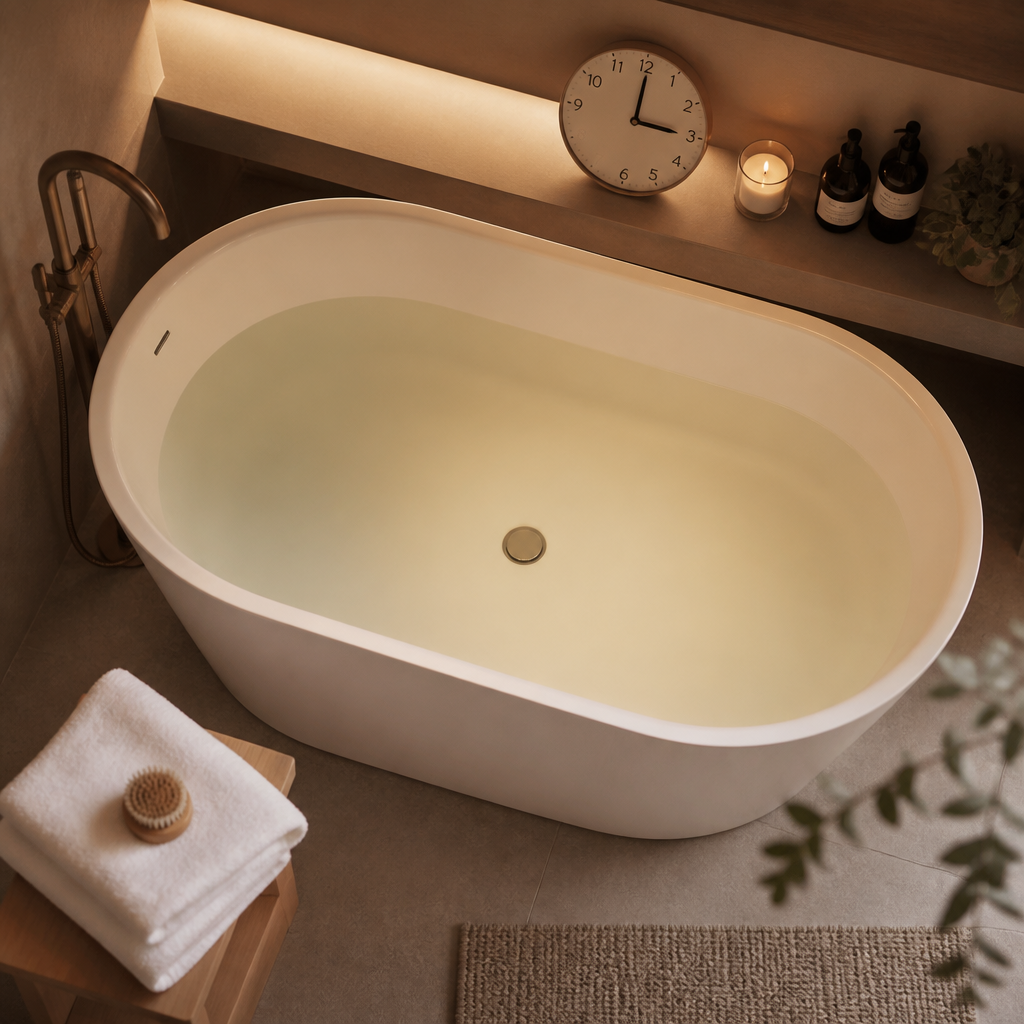
Run the bath at a warm, not hot, temperature. If the steam is billowing heavily, the water is too hot. Gather your post-bath moisturizer before you step in so you can apply it immediately after getting out, while your skin is still damp. Having it ready means you don't waste the critical two to three minute window.
In the Bath
Add your chosen bath product to the water before getting in. For a moisturizing bath soak, a bath oil, an oil-enriched bath salt, or a colloidal oatmeal product are all effective choices. Use a gentle, fragrance-free, sulfate-free cleanser only where needed rather than lathering your entire body. Soak for 10 to 15 minutes. Longer soaks begin to compromise the skin barrier rather than support it.
Getting Out
Pat skin gently with a soft towel rather than rubbing. Leave a small amount of surface moisture on the skin. Immediately apply your body moisturizer or oil while skin is still slightly damp. This step is non-negotiable for dry skin. Skipping it, or delaying it by even five to ten minutes, significantly reduces the hydration benefit of the entire soak.
Choosing Your Cleanser
For a sensitive skin bath routine, the cleanser is arguably the most important product to get right. Look for cleansers labeled fragrance-free and sulfate-free. Ingredients like glycerin, ceramides, and hyaluronic acid in a cleanser formula indicate a product designed to clean without stripping. The labels "gentle" or "moisturizing" alone are not enough. Read the ingredient list.
At Bathwater and Beyond, our monthly drops focus on exactly this kind of thoughtful curation: bath products that make your evening routine feel elevated without relying on ingredients that undermine your skin. If you want a starting point, explore our curated collections for oils, soaks, and accessories chosen with dry and sensitive skin in mind.
Frequently Asked Questions
Can bathing every day make dry skin worse?
Daily bathing with hot water and harsh cleansers absolutely can worsen dry skin. But daily bathing with lukewarm water, a gentle cleanser, and immediate post-bath moisturizing does not have to. The key variables are water temperature, product choice, and how quickly you moisturize after stepping out. Adjust these three things before reducing how often you bathe.
What is the best thing to add to a bath for dry skin?
A bath oil made with a carrier oil like jojoba, sweet almond, or sunflower seed oil is one of the most effective additions for dry skin. Colloidal oatmeal is the best option if your skin is also inflamed, itchy, or sensitive. Oil-enriched bath salts that use Dead Sea or Epsom salt with a carrier oil base cover both mineral therapy and moisture. Whatever you choose, skip any formula that relies on synthetic fragrance as a primary ingredient.
Are Epsom salts good or bad for dry skin?
Epsom salt on its own can draw moisture from the skin surface and worsen dryness if used without an oil base. However, when combined with a carrier oil in the same formulation, the mineral benefits (magnesium, muscle tension relief, skin softening) can be enjoyed without the drying effect. Always check that any bath salt product you buy for dry skin includes a carrier oil in its formula, or add your own.
What ingredients should I avoid in bath products if I have dry, sensitive skin?
Avoid synthetic fragrance, sodium lauryl sulfate (SLS), sodium laureth sulfate (SLES), denatured alcohol, and high-alkaline traditional soaps. These ingredients are the most common causes of skin barrier disruption, tightness, and irritation after bathing. Even products labeled "moisturizing" can contain these ingredients, so always read the full ingredient list rather than relying on front-of-pack claims.
How do I stop my skin from feeling tight after a bath?
Post-bath tightness is almost always caused by one or more of the following: water that is too hot, a sulfate-based cleanser, synthetic fragrance in the products you used, or not applying moisturizer quickly enough after getting out. Address these in order. Switch to cooler water and a gentle sulfate-free cleanser first. Then make sure you are applying a ceramide or shea butter-based body lotion within three minutes of stepping out of the bath, while skin is still slightly damp.
Can bath products replace a regular moisturizing routine?
No, and it is a common misconception that a hydrating bath soak eliminates the need for post-bath moisturizing. Bath additives condition the skin during the soak, but once you step out, transepidermal water loss begins immediately. A bath oil or oatmeal soak reduces that loss, but applying a body lotion or cream within minutes of exiting the bath is still the step that delivers lasting hydration. Think of the soak as preparation and the moisturizer as the seal.
What does your current bath routine look like, and which of these changes are you planning to try first? Share your experience in the comments below.
References
- How to bathe without worsening dry skin: temperature, timing, and product guidance
- Humectants, occlusives, and ceramides explained for dry skin care
- Cleveland Clinic overview of colloidal oatmeal benefits for skin hydration and inflammation
- Ingredients to avoid in sensitive skincare: fragrance, sulfates, and alcohol
- Bath salts for dry skin: benefits, mineral types, and what to look for in a formula