

Bath Temperature: Why It Matters and How to Get It Right
Most people treat bath temperature as an afterthought, running the tap until it feels "warm enough" and calling it done. But bath temperature is one of the most consequential choices you make in any self-care routine. Get it right and you genuinely sleep better, recover faster, and feel calmer. Get it wrong and you strip your skin barrier, spike your blood pressure, or simply soak away 30 minutes without any of the benefits you were after. This guide cuts through the guesswork and tells you exactly what the research says, what temperature ranges actually do for your body, and how to dial your evening ritual into something that works every single time.
Table of Contents
- Quick Takeaways
- The Science Behind Bath Temperature
- Hot Bath Benefits: What Heat Actually Does
- The Sleep Connection: Timing and Temperature Together
- When Hot Is Too Hot: Risks You Should Know
- Cold vs. Warm Baths: Which One Is Right for You?
- Bath Routine Tips to Make Every Soak Count
- Frequently Asked Questions
- References
Quick Takeaways
| Key Insight | Explanation |
|---|---|
| The ideal bath temperature range is 90°F to 105°F (32°C to 40°C) | Research published in Evidence-Based Complementary and Alternative Medicine identifies this as the sweet spot for health benefits without risk of burns or skin damage. |
| Bathing 1 to 2 hours before bed can shorten how long it takes you to fall asleep | A meta-analysis found that water-based warming at 100°F to 104°F before bed reduced sleep onset time by roughly 10 minutes by supporting your body's natural temperature drop. |
| Water above 120°F can burn skin | Anything above 106°F (41°C) starts feeling uncomfortable, and at 120°F the risk of scalding is real, especially for those with reduced circulation or sensory impairment. |
| Hot baths lower blood pressure temporarily | This is a benefit for most people, but a risk for those who already have low blood pressure. Know your baseline before making very hot baths a daily habit. |
| 15 to 30 minutes is the recommended soak time | Beyond 30 minutes, even a well-tempered bath can begin to dry skin, cause dehydration, and trigger overheating regardless of the water temperature. |
| A warm bath reduces cortisol measurably within minutes | Warm water immersion lowers stress hormones and triggers endorphin release, creating real neurological shifts, not just subjective relaxation. |
| Water that feels "too hot to put your hand in" is too hot to bathe in | A simple hand test before you step in can prevent skin damage and tell you whether to add cold water before lowering yourself in. |
The Science Behind Bath Temperature
Your body runs on a 24-hour internal clock called the circadian rhythm. Throughout the day, your core temperature rises to its peak in the late afternoon or early evening, then begins to fall as your body prepares for sleep. That temperature drop is a key biological signal that tells your brain it is time to wind down. What most people do not realize is that a bath, at the right temperature and the right time, actively works with this system rather than against it.
When you immerse yourself in warm water, your blood vessels dilate and blood is drawn toward the surface of your skin. The moment you step out of the bath, heat dissipates quickly from your skin into the cooler air. This rapid cooling after the bath amplifies your body's natural temperature descent, making it easier to fall and stay asleep. The mechanism is counterintuitive: a warm bath cools you down more efficiently than skipping the bath altogether.
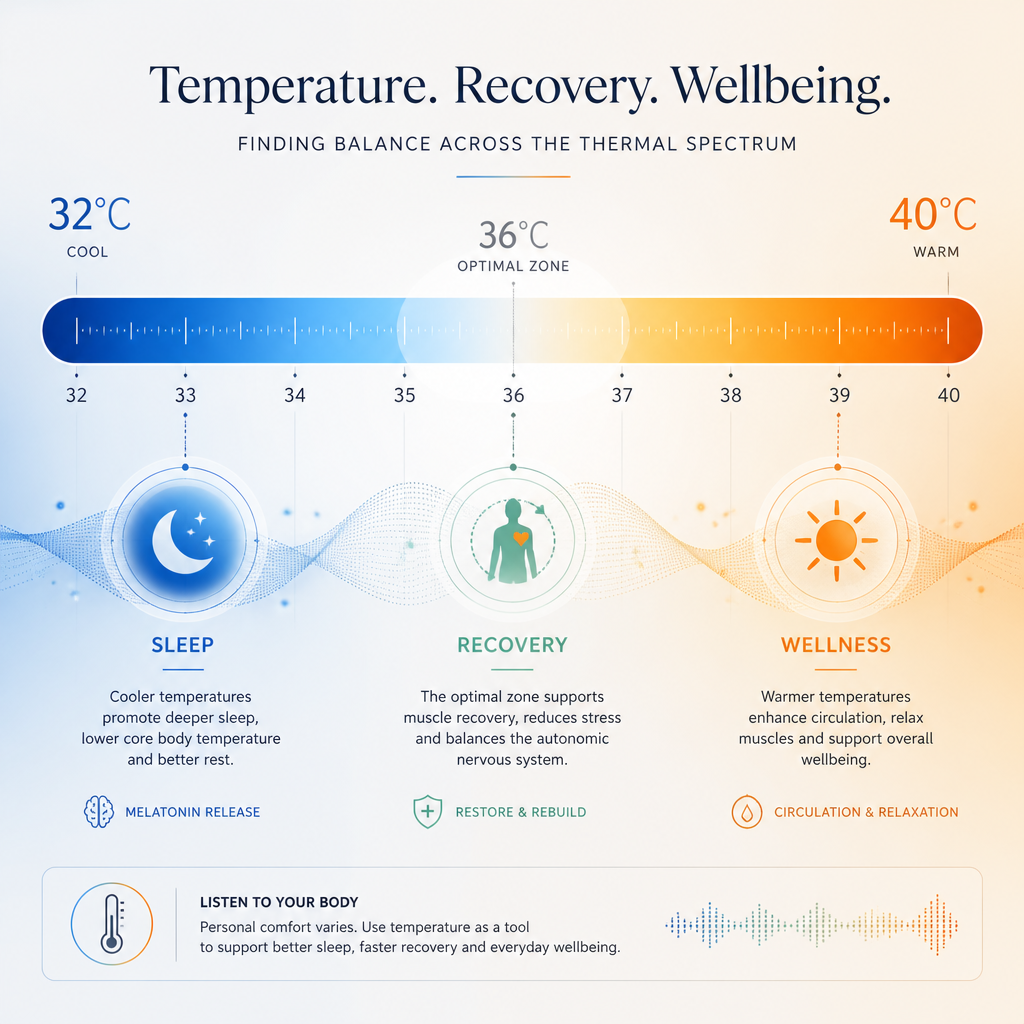
Where it gets specific is at the numbers. Research published in Evidence-Based Complementary and Alternative Medicine identifies the ideal bath temperature as between 90°F and 105°F (32°C to 40°C). This range reliably delivers benefits including improved sleep quality, reduced muscle tension, and better circulation, without the tissue damage risks that come with higher temperatures.
The temperature of your bath is not a preference, it is a parameter. Small shifts in either direction produce meaningfully different outcomes in your body.
Hot Bath Benefits: What Heat Actually Does
A properly heated bath is not just pleasant. It has measurable physiological effects that stack up over consistent use. Understanding what heat actually does at the tissue and system level helps you choose the right temperature with intention rather than habit.
Muscle Recovery and Circulation
Heat increases blood flow to muscles, which speeds recovery and relieves tightness. The buoyancy of the water simultaneously reduces the load on your joints, giving your musculoskeletal system a genuine break. For anyone who spends long hours sitting or standing, this is not a minor comfort, it is active recovery. A bath at around 100°F (38°C) is sufficient to produce these circulation benefits without the added risks of water that is significantly hotter.
A study exploring warm water immersion found that participants who submerged their feet and lower legs in warm water for 30 minutes showed reduced arterial stiffness compared to those who did not receive the treatment. Arterial stiffness is a contributor to high blood pressure, which makes warm bathing a surprisingly credible cardiovascular support tool when practiced regularly and at appropriate temperatures.
Pro tip: Add a handful of Epsom salts to a bath held between 100°F and 103°F for a focused muscle recovery soak. The magnesium in Epsom salts may support additional muscle relaxation, and the temperature keeps circulation elevated without crossing into territory that stresses the cardiovascular system.
Mental Health and Mood
The mental health case for warm bathing is stronger than most people expect. Warm water immersion lowers cortisol levels and triggers endorphin release, producing measurable reductions in stress and anxiety within minutes of immersion. Randomized studies show that regular bathing improves psychological distress more effectively than showering alone, with participants reporting noticeable mood improvements within two weeks of establishing a consistent bathing routine.
A study associated with the University of Freiburg in Germany found that regular warm baths at 40°C or higher were linked to significant improvements in mood for participants experiencing depression. The warm water activates thermoregulatory pathways that overlap with mood-regulation circuits in the brain, which explains why the effect feels so immediate and consistent.
Pairing the right bath temperature with quality accessories makes a real difference in how completely you can use that window. A well-made robe waiting on the hook, a quality candle lit before you step in, and bath salts that actually dissolve cleanly all matter to how completely you switch off. The ritual around the soak reinforces the neurological shift the water itself starts.
The Sleep Connection: Timing and Temperature Together
Sleep is where bath temperature does its most underappreciated work. Getting this right requires paying attention to both the temperature of the water and the time you take your bath, because the two variables interact.
A meta-analysis of before-bedtime body heating found that people who took baths one to two hours before bedtime, at temperatures between 100°F and 104°F (40°C to 42.5°C), shortened the time it took to fall asleep by approximately 10 minutes. The reason is direct: the warm bath raises your skin temperature quickly, your blood vessels dilate to dissipate that heat, and by the time you are in bed, your core body temperature has dropped more sharply than it would have without the bath, reinforcing the sleep-onset signal your brain is waiting for.
Timing matters more than most people account for. A bath taken immediately before getting into bed can actually delay sleep onset because your body temperature is still elevated. The research consistently points to a 60 to 90 minute gap between leaving the bath and lying down as the window where the cooling effect aligns properly with your circadian rhythm. If your schedule requires bathing right before bed, cooler water in the 90°F to 100°F range is a better choice than a very hot soak.
Pro tip: Set a consistent bath time rather than bathing whenever it is convenient. Consistency trains your circadian rhythm over time, and the bath becomes a reliable sleep cue your body recognizes before you even step in the water. Aim for the same 30-minute window each evening, scheduled 90 minutes before you want to be asleep.
When Hot Is Too Hot: Risks You Should Know
The appeal of a very hot bath is real. Cold evening, tense muscles, a long day at work. The instinct is to run it as hot as it goes. But water above 106°F begins to carry genuine risks, and water above 120°F can cause burns and blistering on contact with skin. These are not theoretical concerns for most people, they are practical ones if you have a habit of running your bath hotter than average without checking the temperature first.
Skin Barrier Damage
Very hot water strips the natural oils from your skin, compromising the moisture barrier that keeps skin hydrated and protected. For anyone with eczema, rosacea, psoriasis, or general skin sensitivity, a bath that is too hot can trigger a flare that undoes any relaxation benefit within hours. The fix is straightforward: keep water at or below 104°F and finish with a moisturizer or body oil applied within a few minutes of stepping out, while your skin is still slightly damp.
Blood Pressure Drops
Hot baths cause blood pressure to drop temporarily as your blood vessels dilate. For most people this is one of the pleasant effects of a warm soak. For anyone who already has low blood pressure, it can cause dizziness or fainting, particularly when standing up from the tub. If you have a history of low blood pressure or take medications that affect it, stick to the lower end of the recommended range and never stay in longer than 20 minutes at a stretch. Always have something sturdy to hold onto when you stand.
How Long Is Too Long
The recommended bath duration is between 15 and 30 minutes. Beyond 30 minutes, even a well-tempered bath begins to work against you: skin dries out as it leaches moisture into the surrounding water, mild dehydration sets in, and the heat load on your body accumulates. A longer bath does not equal more benefit. Twenty minutes at 101°F consistently outperforms 45 minutes at the same temperature.
Cold vs. Warm Baths: Which One Is Right for You?
Cold water immersion has become a popular topic in wellness circles. It is worth addressing directly because the conversation often lacks nuance, and the risks are real. A bath at different temperatures is genuinely a different tool, not a better or worse version of the same thing.
| Approach | Ideal Temperature | Best Used For |
|---|---|---|
| Warm relaxation bath | 95°F to 104°F (35°C to 40°C) | Stress relief, sleep preparation, muscle recovery, mood support, daily evening ritual |
| Therapeutic hot bath | 104°F to 108°F (40°C to 42°C) | Deeper muscle recovery, circulation support; limit to 20 minutes, not appropriate if you have low blood pressure or heart conditions |
| Cold water immersion | Below 59°F (15°C) | Post-intense-exercise inflammation reduction; carries cardiovascular risks, requires medical clearance for those with heart conditions, and the research base is still emerging |
Cold baths can reduce inflammation and numb acute pain, which is why some athletes use them after intense training sessions. However, the shock from sudden cold exposure can spike blood pressure sharply, which is dangerous for anyone with cardiovascular vulnerabilities. The Heart and Stroke Foundation notes that cold baths can also cause hypothermia unless temperature is carefully managed. For the overwhelming majority of people building an evening self-care routine, a warm bath in the 95°F to 104°F range delivers more consistent benefits with far lower risk.
The case for a regular warm bath is not glamorous, but it is solid. You do not need to chase extremes to get results. A consistent, well-tempered soak, taken at the right time of evening, with the right duration, will outperform an occasional cold plunge in terms of daily wellbeing, sleep quality, and stress management for most people.
Bath Routine Tips to Make Every Soak Count
Knowing the right temperature is only useful if your broader routine supports it. Here is how to build a bath practice that actually performs.
Check the Temperature Before You Step In
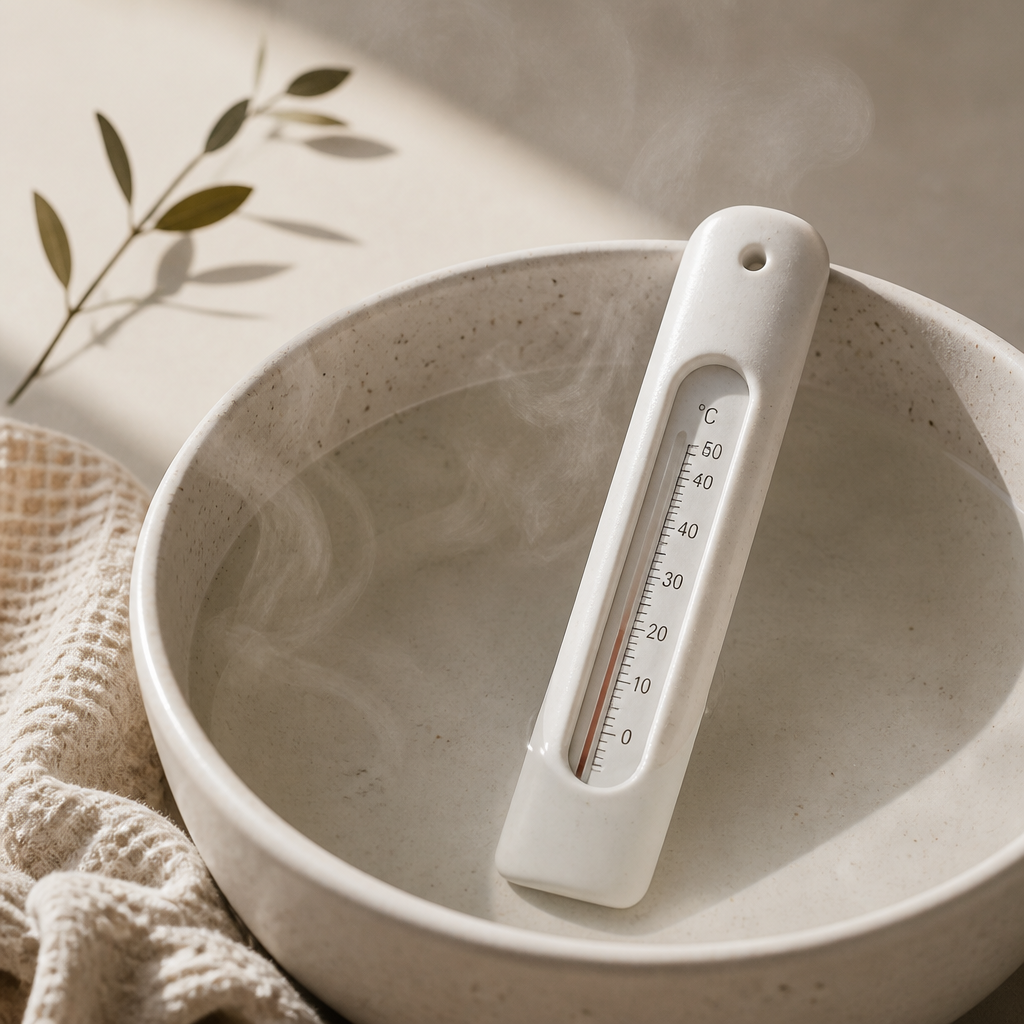
The simplest and most overlooked habit in bath temperature management is using your hand before your body. Submerge your forearm or hand for a few seconds. If it feels uncomfortable or immediately very hot, add cold water before you get in. Your body surface adjusts quickly to temperature, which means stepping into water that initially feels tolerable can still be too hot for extended contact. A bath thermometer takes the guesswork out entirely and is worth owning if you prioritize evening bathing as part of your routine.
Layer Your Ritual Around the Bath
The bath itself is the anchor, but what surrounds it matters enormously for the psychological shift you are trying to create. Light a candle before the water is even running. Have your robe and a towel pre-warmed if possible. Keep your phone in another room. The sensory environment you walk into signals your nervous system that the evening has shifted, and that signal starts well before you are in the water.
Products designed specifically for bath rituals, like high-quality bath salts, skin-safe bath oils, and proper body scrubs used before you fill the tub, do more than add luxury. They give you something intentional to do with the time. Scrubbing before your soak means you enter clean skin that absorbs the warmth more effectively. Applying a bath oil after means you seal moisture in before it can evaporate. Small steps, meaningful difference.
Hydrate Before and After
A warm bath at the right temperature still produces mild sweating and water loss through your skin. Drinking a glass of water before you get in and having one waiting when you step out prevents the dehydration that blunts the recovery and relaxation benefits of your soak. This is one of the most commonly skipped steps in an otherwise thoughtful routine, and it is the easiest to add.
Pro tip: For a genuinely effective evening routine, pair your bath with a strict no-screen policy for at least 30 minutes afterward. The combination of lowered body temperature, reduced cortisol, and dimmed light from the bath environment can shift you toward sleep quickly, and picking up your phone immediately afterward counteracts all three of those effects at once.
Frequently Asked Questions
What is the ideal bath temperature for relaxation?
The ideal temperature for a relaxation bath sits between 95°F and 104°F (35°C to 40°C). This range reliably promotes muscle relaxation, reduces cortisol, and supports sleep without the skin damage risks associated with hotter water. If relaxation and sleep support are your main goals, aim for the middle of this range rather than pushing toward the upper limit.
How long should I soak to get the benefits of a warm bath?
Research points to 15 to 30 minutes as the optimal duration. Benefits begin emerging within the first five minutes of immersion, and most of the physiological effects are well established by the 20-minute mark. Staying in beyond 30 minutes adds little benefit and begins to work against your skin barrier and hydration levels.
Can a bath that is too hot actually harm me?
Yes. Water above 106°F begins to feel uncomfortable for most people, and above 120°F it can cause burns and skin damage. Even at lower temperatures, water that is consistently too hot strips your skin's natural oils, worsens conditions like eczema and rosacea, and causes temporary blood pressure drops that can lead to dizziness or fainting, particularly when you stand up from the tub. The hand test before stepping in is a simple safeguard.
When is the best time to take a bath for better sleep?
One to two hours before your intended bedtime is the window consistently identified by research on bath temperature and sleep. This timing allows the warm water to raise your skin temperature, after which your body cools more rapidly once you are out of the bath, amplifying the natural temperature drop that signals your brain to begin the sleep cycle. A bath taken immediately before bed, particularly a very hot one, can delay sleep because your core temperature is still elevated.
Is a warm bath or a cold bath better for muscle recovery?
It depends on the type of stress your muscles have experienced. For general soreness, stiffness from sitting or standing all day, and everyday tension, a warm bath at 100°F to 104°F is the better choice because it increases circulation and reduces muscle tightness. Cold water immersion is used by some athletes specifically after very intense exercise to reduce acute inflammation, but it carries higher cardiovascular risks and is not appropriate for people with heart conditions without medical advice.
Does bath temperature affect skin differently depending on skin type?
Yes, meaningfully so. People with sensitive skin, eczema, rosacea, or psoriasis should stay toward the cooler end of the recommended range, around 95°F to 100°F, and limit soak time to 15 minutes. Hotter water strips skin oils more aggressively, which can trigger flares in sensitive skin. Following any warm soak with a moisturizer applied while skin is still slightly damp is important regardless of skin type, but it is non-negotiable for sensitive skin.
Do I need a bath thermometer or can I just judge by feel?
Judging by feel works reasonably well for most people once you have calibrated your sense of what 100°F actually feels like. A quick hand test before stepping in will catch water that is clearly too hot. However, if you are building a consistent routine and want to take the guesswork out entirely, a simple bath thermometer is inexpensive and gives you a reliable read every time. It is especially worth using if you are bathing primarily for sleep support, where hitting the 100°F to 104°F window specifically matters.
If you have your own temperature trick or a bath routine that has genuinely changed how you sleep or unwind, share it in the comments. We want to hear what actually works for real people.
We would love your feedback and any insights you would share with others. What perspective would you add?
References
- Research-backed guide to ideal bath temperature ranges and health benefits
- How hot bath temperature and timing affect sleep quality and circadian rhythm
- Clinical overview of hot bath benefits including muscle recovery, mood, and blood pressure
- Warm water immersion and measurable mental health benefits including cortisol reduction
- Heart and Stroke Foundation on the risks and benefits of hot and cold water therapies