

Quality Self-Care Products: Why Less Is More in 2024
Most people have a bathroom shelf cluttered with half-used scrubs, watery lotions, and impulse buys that promised more than they delivered. The self-care industry hit $450 billion globally in 2022, according to the Global Wellness Institute, and a significant chunk of that spending is wasted on products that underdeliver. The shift toward quality self-care products is not a trend. It is a correction. Consumers are getting smarter, budgets are tighter, and the tolerance for mediocre products dressed up in pretty packaging is at an all-time low. Here is what that shift actually means, and how to shop with it in mind.
Table of Contents
- Quick Takeaways
- Why the Quantity Model Broke Down
- What Mindful Shopping Actually Means
- The Case for Curated Self-Care
- How to Identify Genuine Quality in Self-Care Products
- Comparison: Shopping Approaches Side by Side
- Building a Better Evening Routine with Fewer Products
- Frequently Asked Questions
- References
Quick Takeaways
| Key Insight | Explanation |
|---|---|
| Fewer products means deeper use | When you own three quality bath products instead of twelve mediocre ones, you actually finish them and notice their full effect on your routine. |
| Ingredient quality drives real results | High-concentration actives in a single quality product outperform diluted formulas in bargain-bin alternatives bought in bulk. |
| Curated self-care reduces decision fatigue | A smaller, intentional product collection means less time choosing and more time actually relaxing and recovering. |
| Cost-per-use math favors quality | A $40 bath soak used twice a week for three months costs less per use than a $12 version that runs out in two weeks and does little. |
| Gift-giving gets easier and more meaningful | One thoughtfully selected self-care item lands better than a gift basket stuffed with generic filler products. |
| Limited drops create intentional buying habits | Monthly curated product releases replace impulse shopping with deliberate choices tied to what you actually need. |
| Ritual consistency matters more than product count | Using one excellent product nightly builds a more effective self-care habit than rotating through twenty products inconsistently. |
Why the Quantity Model Broke Down
For years, the wellness retail model was built on volume. Buy more, save more, get the bundle. Retailers pushed oversized product sets and multi-step routines that required eight products to get through a single evening. The problem is that more products rarely meant better outcomes.
A common mistake is assuming that complexity equals effectiveness. In practice, most people using elaborate ten-step skincare or bath routines abandon them within weeks because the routine is unsustainable. McKinsey's 2023 consumer report on wellness spending found that 58% of wellness consumers felt they had purchased more products than they actually used, and nearly half expressed clear buyer's remorse over impulse wellness buys.
The quantity model also created a hidden cost problem. Budget shoppers buy cheap products frequently, while savvy shoppers buy quality products once. Over six months, the budget approach consistently costs more. This is not a theory. It is basic unit economics applied to your bathroom cabinet — the same math we run in self-care on a budget, just applied to a $25 ceiling instead of an open one.
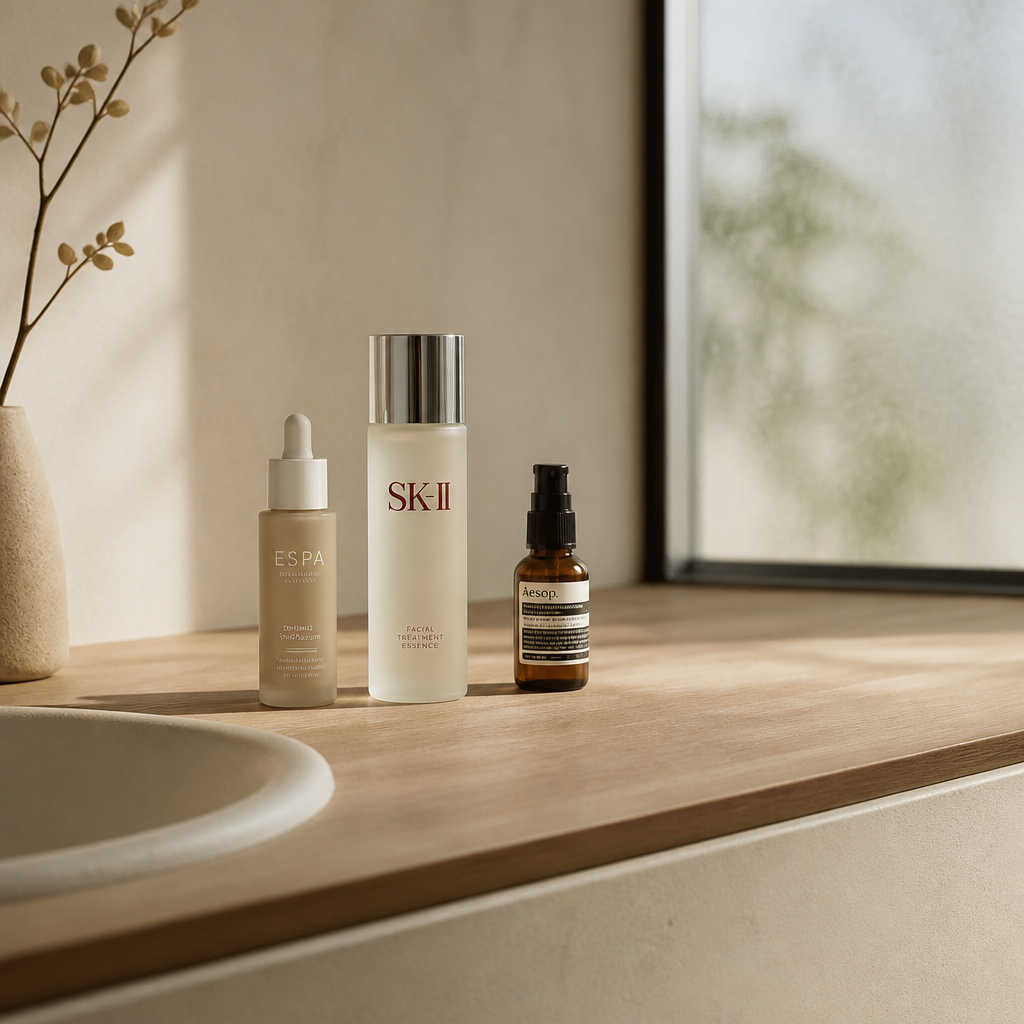
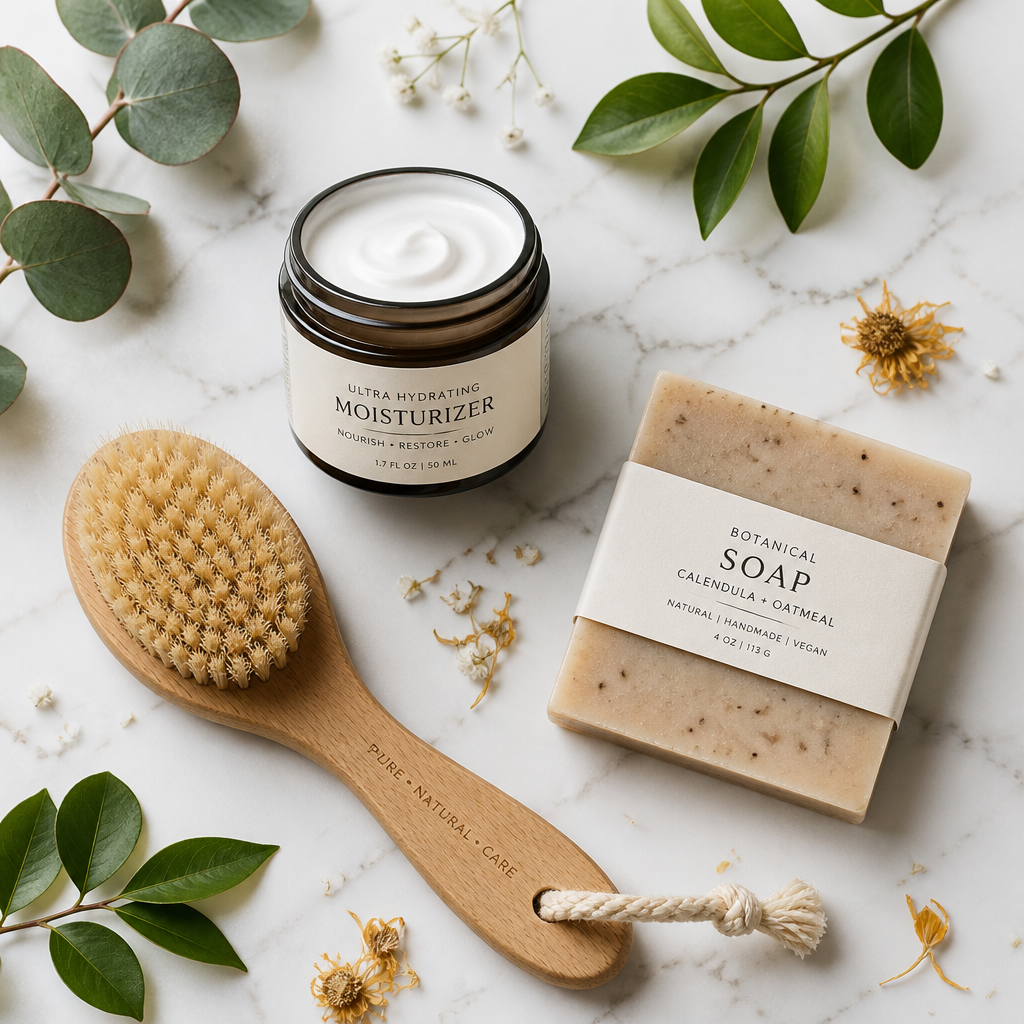
How Overconsumption Quietly Undermines Your Self-Care Routine
Overconsumption in self-care does not feel like a problem at first. It feels like abundance. A full shelf looks like you are taking care of yourself. But product hoarding is not the same as self-care. When you have too many options, you use none of them consistently, and consistency is what actually produces results. A cluttered shelf is also just a harder shelf to keep clean — our bathroom decluttering guide covers how to reset one that's already gotten away from you.
The data consistently shows that ritual consistency matters more than product variety. Research published in the Journal of Consumer Psychology found that consumers who simplified their routines reported higher satisfaction with the products they kept and greater follow-through on daily habits. Less clutter, more commitment.
Pro tip: Before adding a new self-care product to your routine, remove one first. The constraint forces you to be intentional and prevents the shelf-stuffing pattern that kills most wellness routines before they start.
What Mindful Shopping Actually Means
Mindful shopping is one of those terms that gets used so loosely it has nearly lost meaning. Let us be direct about what it actually requires in a self-care context.
Mindful shopping means buying with purpose and full information. It means knowing what your routine actually needs before you click add to cart. It means reading ingredient lists, understanding what concentration matters for a bath oil or body butter, and choosing products made by brands that are transparent about their sourcing. It does not mean buying slowly and still buying the wrong things. Buying fewer, better products is also one of the more overlooked sustainable self-care swaps — less packaging waste follows naturally from less turnover.
The Practical Difference Between Mindful and Impulsive Buying
Impulse buying in wellness is fueled by marketing language. Words like "detoxifying," "restorative," and "transformative" are applied to products that are, in many cases, ordinary soap with good branding. Mindful shoppers look past the adjectives to actual formulation quality, scent sourcing, skin compatibility, and whether a product fits a gap in their existing routine.
In practice, the mindful shopper asks three questions before purchasing: Does this replace something I already have? Does this serve a specific outcome I care about? Do I trust this brand's ingredient transparency? If any answer is no, they wait.
Retailers that support mindful shopping make this process easier. Monthly limited drops, curated selections, and honest product descriptions help consumers make deliberate choices instead of reactive ones. That is a fundamentally different retail model from the endless-scroll marketplace approach, and it produces fundamentally different customer satisfaction outcomes.
The Case for Curated Self-Care
Curation is a word borrowed from art, and the application to self-care is apt. A good curator does not just collect things. They select, reject, and present with intention. Curated self-care works on the same principle. Someone with expertise has already filtered out the mediocre options before the product reaches you.
This matters because most consumers do not have the time or the formulation knowledge to evaluate every self-care product on the market. When a retailer curates with genuine expertise, that curation acts as a quality filter. You are not choosing from ten thousand options. You are choosing from five excellent ones, all pre-vetted for ingredient quality, sensory experience, and routine fit.
"The brands winning in wellness right now are the ones that help consumers buy less, but better. Curation is the new competitive advantage." - McKinsey Health Report, 2023
Why Limited Monthly Drops Work Better Than Open Catalogues
An open catalogue of hundreds of products creates choice paralysis. Psychologist Barry Schwartz documented this in his foundational research on the paradox of choice: more options produce lower satisfaction and higher anxiety, not better decisions. Limited monthly drops invert this dynamic entirely.
When a retailer releases a small, intentional selection each month, consumers can focus their attention on what is available, evaluate it properly, and buy with confidence. There is also a natural pacing built in. You use what you bought this month before next month's drop arrives. That rhythm supports routine building, which is the actual goal of self-care in the first place.
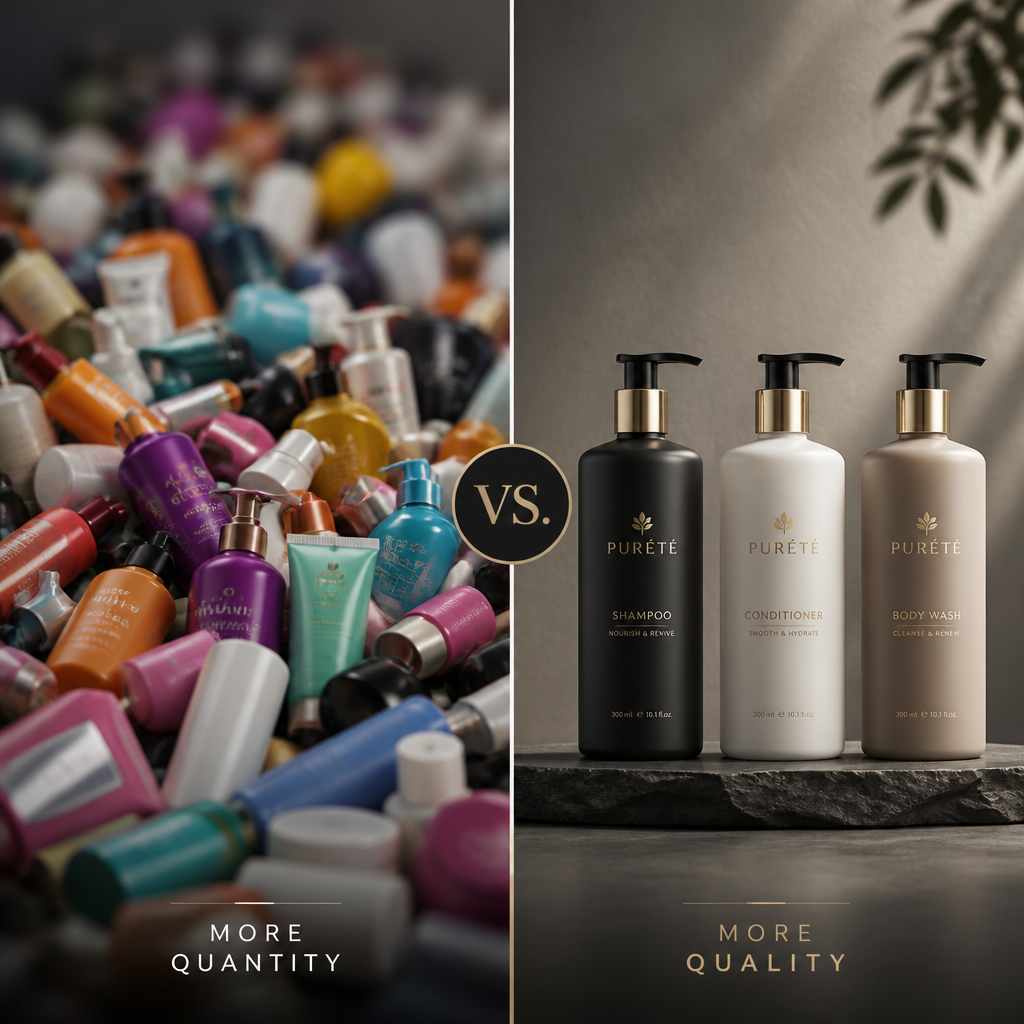
Bathwater and Beyond operates on exactly this model. Monthly drops with limited SKUs mean customers are not overwhelmed, and every product that makes the cut has been genuinely evaluated for quality, not just added to pad out a catalogue.
Pro tip: If you discover a curated retailer whose selections consistently match your preferences, set a reminder for their monthly drop dates rather than impulse-browsing large marketplaces. You will spend less time shopping and make better purchases.
How to Identify Genuine Quality in Self-Care Products
Quality in self-care products is not about price tags. Plenty of overpriced products have weak formulations, and plenty of affordable products are genuinely well-made. Here is what to actually look for.
Ingredient Transparency and Concentration
Ingredients are listed in descending order of concentration on any properly labeled product. If the active ingredient you care about is near the bottom of the list, behind five types of water and two cheap fillers, the product is mostly marketing. Quality products put the ingredients that matter near the top of the list.
Look for brands that publish full ingredient lists without hiding behind "proprietary blend" language for basic formulations. Transparency is not a luxury feature. It is a basic indicator of a brand that stands behind its product.
Sensory Integrity Across the Full Use Cycle
A quality bath oil should smell consistent from first open to last use, not fade within two weeks or turn rancid. A quality robe should maintain its softness after twenty washes, not just on first contact. Sensory integrity over time is one of the clearest markers of quality manufacturing, and it is something cheap alternatives consistently fail at.
In practice, this means asking about materials, preservation methods, and shelf life before you buy. Quality-focused retailers have answers to these questions. Those selling on volume often do not.
Brand Accountability and Return Policies
A brand confident in its product quality stands behind it. Generous, clear return policies and responsive customer service are not just nice extras. They signal that a business expects its products to actually perform. A common mistake is overlooking return policy language when shopping self-care products online. Quality-focused retailers make this information front and center, not buried in footnotes.
Comparison: Shopping Approaches Side by Side
Not all approaches to self-care shopping produce equal results. Below is a direct comparison of three common patterns consumers fall into, evaluated honestly against real outcomes.
| Shopping Approach | Short-Term Experience | Long-Term Outcome |
|---|---|---|
| Bulk / Discount Buying (large marketplace, quantity bundles) | High initial excitement, low per-unit cost feeling | Cluttered shelves, half-used products, routine inconsistency, higher total spend over 6 months |
| Trend-Chasing (new viral product every month) | Novelty satisfaction, social validation | No established routine, no product mastery, constant repurchasing without benefit compounding |
| Curated / Intentional Buying (limited drops, quality focus) | More deliberate purchase, occasionally higher upfront cost | Consistent routine, lower total spend over time, higher product satisfaction and completion rates |
The curated approach wins on every long-term metric. The short-term cost perception is the only real objection, and it dissolves when you run the actual numbers across a six-month window.
Building a Better Evening Routine with Fewer Products
An effective evening self-care routine does not need twelve products. It needs three to five high-quality products used consistently. That is it. The goal is a routine you will actually maintain, not an aspirational shelf arrangement.
Start with anchor products: one bath product you genuinely love, one body treatment, and one ambient element like a candle with a scent profile that signals wind-down to your nervous system. These three categories cover the sensory and physiological bases of an effective evening ritual without creating the overwhelm that kills habits.
Why Gifting Quality Beats Gifting Quantity
The gift-giving application of quality over quantity is arguably even stronger than the personal use case. A single, beautifully selected self-care product carries more meaning than a twelve-piece basket stuffed with travel-size generics. The recipient actually uses it, finishes it, and remembers the gift positively.
Gift shoppers who shop curated self-care retailers benefit from the pre-selection work already done for them. When a retailer has filtered for quality, a gift buyer can choose with confidence rather than guessing whether a product is actually good. That confidence is worth more than the price difference between a curated item and a filler-heavy gift set from a mass retailer.
Bathwater and Beyond's product selection reflects exactly this principle. Every item available is there because it earned its place, not because it filled a price-point gap in a bundle. For gift shoppers, that means any selection from the catalogue is a safe, considered choice.
Frequently Asked Questions
How many self-care products do I actually need for an effective evening routine?
Three to five products used consistently outperform ten products used sporadically every time. A bath or shower product, a body treatment, and one ambient or sensory element like a candle are a complete foundation. Add items only when you have identified a specific gap in your routine, not just because something looks appealing.
Is buying quality self-care products actually more affordable than buying cheap ones?
Yes, when you calculate cost-per-use across a full product lifecycle. A well-formulated $38 bath soak that lasts three months costs roughly $0.42 per use. A $10 alternative used up in three weeks at the same frequency costs $0.47 per use and delivers a noticeably weaker sensory experience throughout. Quality wins on economics and outcome simultaneously.
What makes a self-care product genuinely curated versus just marketed as curated?
Genuinely curated products come from retailers who publish clear selection criteria, limit their catalogue to items they have tested and stand behind, and are willing to remove products that do not meet ongoing standards. Marketing-curated products are just any product with the word "curated" in the description. Ask retailers directly about their selection process. Good ones will answer specifically.
How does mindful shopping apply to self-care gift buying?
Mindful gift shopping means choosing one excellent item that reflects what the recipient actually values, rather than assembling volume to make the gift look substantial. Ask yourself what ritual or moment the gift is meant to support, then select one product that serves that moment well. A quality bath oil chosen for someone who takes nightly baths is a far more effective gift than a generic set of ten travel-size products.
Are limited monthly product drops actually better for consumers, or is it just a scarcity marketing tactic?
When executed honestly, monthly limited drops are genuinely better for consumers. They force the retailer to select carefully rather than list endlessly, they prevent consumer overwhelm, and they naturally pace purchasing to match actual use cycles. The distinction between legitimate curation and artificial scarcity is transparency. Retailers using drops as pure pressure tactics rarely publish why specific products were selected or discontinued. Quality-focused retailers do.
Can self-care quality products work for all budgets, or is this only for high-end shoppers?
Quality is not synonymous with luxury pricing. Many mid-range self-care products outperform expensive alternatives because they prioritize formulation over packaging and brand prestige. The key is knowing what quality indicators to look for, such as ingredient transparency, sensory consistency, and brand accountability, rather than using price as a proxy for quality. Retailers focused on accessibility without compromising standards exist specifically to serve this gap.
Have you made the switch from quantity to quality in your self-care routine? Share what changed for you and what product you wish you had found sooner.
Related Reading
- Eco-Friendly Self-Care: Sustainable Swaps for Your Bath Routine
- How to Declutter Your Bathroom for a Calmer Daily Routine
- Self-Care on a Budget: The Best Bath Rituals Under $25
References
- McKinsey and Company: research and reports on global consumer wellness spending trends
- Statista: global wellness industry market size and consumer behavior statistics
- Forbes: editorial coverage of self-care industry trends and consumer purchasing shifts
- American Psychological Association: research on decision fatigue, habit formation, and consumer psychology
- Global Wellness Institute: industry data on the global wellness economy and self-care market growth