

Rest Day Self-Care: Duvet Day vs Active Recovery
You wake up on your scheduled rest day and immediately face the same question: should you roll out of bed, lace up your shoes, and do something gentle, or should you stay exactly where you are and do absolutely nothing? Most wellness content treats this as a personality quiz. It is not. The choice between a rest day self-care day (the full duvet day) and an active recovery day is a practical decision based on real signals your body is sending. Get it wrong in either direction and you slow down your progress, deepen your fatigue, or simply spend the day feeling guilty when you should be feeling restored. Here is how to read those signals clearly and make both types of day genuinely count.
Table of Contents
- What Each Day Actually Means
- How to Read Your Body's Signals
- Comparison: Active Recovery vs. Duvet Day
- How to Build a Proper Duvet Day
- How to Build an Active Recovery Day That Actually Recovers
- The Mistakes That Cancel Out Your Rest
- Frequently Asked Questions
- References
What Each Day Actually Means
Before you can choose correctly, you need clear definitions because the wellness world blurs these two concepts constantly. They are not the same thing, and treating them as interchangeable is where most people go wrong.
The Duvet Day (Full Rest)
A true duvet day means abstaining from all intense physical activity and intentionally giving your body and nervous system space to fully reset. This is not laziness. The process of getting stronger and rebuilding muscle tissue actually takes place during rest, not during exercise. Muscle repair, hormonal regulation, and nervous system recovery all depend on genuine downtime. When your body has been through hard training, emotional stress, illness, or broken sleep, this is the mode you need.
The central nervous system is the part people most often neglect. Unlike muscles, which respond well to increased blood flow, the nervous system needs a complete unloading of stress to shift from a sympathetic fight-or-flight state to a parasympathetic rest-and-digest state. CNS fatigue can linger for as long as 48 to 72 hours after intense activity, which means pushing through it with even "light" movement can delay full recovery.
The Active Recovery Day
Active recovery involves light movement at genuinely low intensity, aimed at promoting circulation and mobility without adding new training stress. The target effort level sits around 30 to 60 percent of your maximum heart rate. At that intensity, blood flow increases enough to deliver oxygen and nutrients to tired muscles and clear metabolic byproducts, without the muscle breakdown that comes with real training.
Active recovery days have also been shown to help manage the cognitive stress-recovery cycle, preventing the kind of under-recovery that shows up as mental burnout and a loss of motivation. They work best when your body is physically tired but not depleted, and when your nervous system still feels functional rather than fried.
How to Read Your Body's Signals
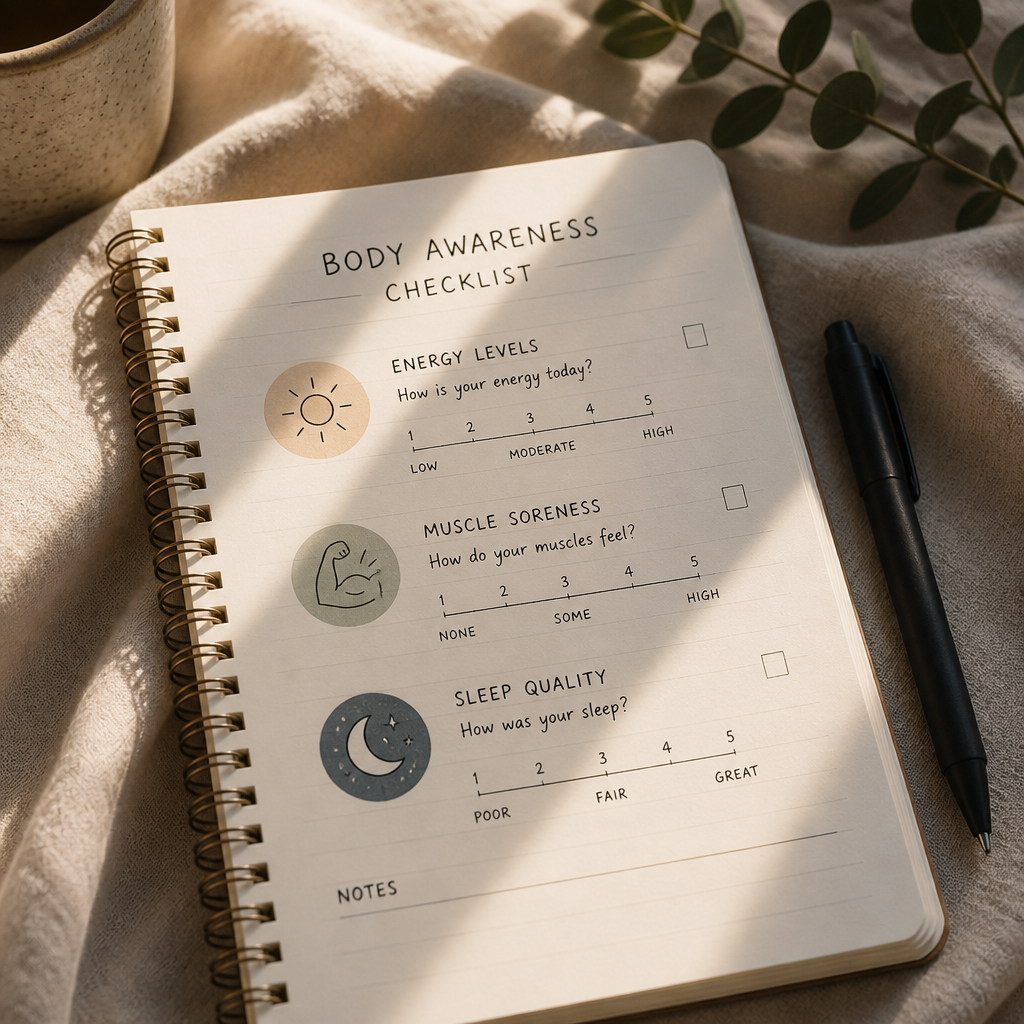
The practical question is not which option sounds better, it is which one your current state actually calls for. Plateaus, persistent soreness, declining motivation, and low-energy sessions are common signs of a mismatch between training stress and recovery strategy, not a sign of undertraining. Learning to read those signals is the real skill here.
| Key Insight | Explanation |
|---|---|
| Movement quality is the primary signal | When your movement quality drops and basic form feels off, that is a signal to prioritize full rest rather than active recovery. |
| Mood and sleep dips point to active recovery | If your mood and sleep are suffering but your movement quality is still intact, active recovery can help without overstressing the system. |
| Life stress counts as training stress | A brutal week at work, poor sleep, or emotional strain uses the same recovery resources as physical training. Factor it in. |
| CNS fatigue outlasts muscle soreness | Your muscles may feel fine while your nervous system is still depleted. Sluggishness, irritability, and poor concentration are CNS fatigue signs. |
| Active recovery intensity must stay genuinely light | If your active recovery session starts to feel like a real workout, you have gone too hard and it will not serve its purpose. |
| High-intensity training days demand full rest days | If your previous active days included high-intensity sessions, your next rest day should be a complete rest day, not an active one. |
| Self-care ritual quality matters on both day types | Intentional self-care, whether that is a bath, a robe, or quiet time, amplifies recovery on both duvet days and active recovery days. |
One practical framework: when your body feels sore and heavy but your head is reasonably clear, choose active recovery. When your head feels foggy, your mood is low, your sleep has been poor, or your motivation has flatlined, choose the duvet day. The nervous system needs the full stop.

The Beginner Rule
If you are new to consistent exercise, lean heavily toward full rest days. Your movement efficiency is still developing, recovery processes are less robust, and soreness interferes more easily with technique. Active recovery days are still useful for beginners, but they should look very simple: a short walk, some basic mobility work, or gentle stretching rather than any structured session.
The Role of External Stress
A common mistake is treating the rest day decision as purely physical. When life stress rises, reducing structured training stress comes first. Your body cannot distinguish between the cortisol spike from a difficult conversation and the cortisol spike from a hard run. Both draw from the same recovery pool. On weeks when everything outside the gym has been draining, move toward a duvet day even if your body physically feels capable of more.
Recovery is not about doing less. It is about matching what your body actually needs to what you give it. The wrong type of rest is still the wrong choice.
Comparison: Active Recovery vs. Duvet Day
Both approaches are legitimate and both serve specific purposes. The error is picking based on preference rather than based on what your body is signaling. Use this comparison to make the call with more confidence.
| Feature | Active Recovery Day | Duvet Day (Full Rest) |
|---|---|---|
| Best after | Moderate-intensity training, mild fatigue, maintained movement quality | High-intensity training, CNS fatigue, illness, emotional depletion, poor sleep |
| Physical focus | Circulation, flexibility, light mobility, blood flow to muscles | Full muscle repair, hormonal reset, nervous system recovery |
| Mental benefit | Prevents under-recovery and motivational dips, maintains routine | Full cognitive reset, stress relief, parasympathetic activation |
| Ideal activities | Walking, gentle yoga, light swimming, stretching, foam rolling | Long bath, reading, slow morning routine, quality sleep, cozy robe time |
| Self-care anchor | Post-movement stretch, hydration, nourishing meal | Intentional bath ritual, candles, quiet, warming products |
| Risk if misapplied | Adds training stress when nervous system needs full rest | Maintains stiffness if body only needed light movement and circulation |
Pro tip: If you genuinely cannot tell which day you need, take five minutes to do a short mobility check. Try a slow bodyweight squat, a forward fold, and a shoulder roll. If everything feels stiff, reluctant, and effortful, choose the duvet day. If things loosen up within two minutes, active recovery is the right call.
How to Build a Proper Duvet Day
A duvet day done well is not simply a day of inertia. It is an intentional act of recovery. The difference between a passive collapse-on-the-sofa day and a genuinely restorative one comes down to a few deliberate choices at the start and end of the day.
Build the Environment First
Before anything else, create a physical environment that signals rest to your nervous system. Dim lighting, reduced digital noise, and comfortable textiles all shift your body toward parasympathetic mode faster than willpower alone ever will. This is where your space does the work for you. A soft robe, a candle lit in a quiet room, and warm lighting are not indulgent extras. They are practical tools for downregulating your stress response.
Immersing yourself in a warm bath can significantly lower stress levels and promote a real sense of calm. If you make a bath part of your duvet day, treat it as a ritual rather than a routine. Add bath salts, a botanical bath milk, or a body oil applied after soaking to extend the benefit to your skin. The physical warmth also supports muscle relaxation and helps ease the transition into better sleep later.
What to Actually Do
On a proper duvet day, the agenda should be short. A slow morning with something warm to drink. A long bath in the late afternoon or early evening. Reading, light journaling, or anything that keeps your brain at a gentle hum rather than a full sprint. Avoid the trap of using your rest day to catch up on everything you did not have time for during the week. That is not rest, it is re-scheduling stress.
Aiming to soak in a warm bath for 20 to 30 minutes a few hours before bed can support deeper, more restorative sleep. Pairing that with genuinely comfortable sleepwear or a quality robe and reducing screen exposure in the final hour makes the night's sleep as productive as the rest of the day.
Pro tip: Treat your duvet day like a product drop with limited availability. It only counts if you protect it. Put it in your calendar, tell the people around you what it is for, and hold that boundary the way you would hold a medical appointment.
The Self-Care Products That Earn Their Place
The right products make a measurable difference on a duvet day because they reduce the friction between intention and actual rest. A candle that anchors the mood. A bath product that turns a five-minute rinse into a 25-minute ritual. A robe that makes staying in feel intentional rather than lazy. These are not about luxury for its own sake, they are about creating a repeatable environment your nervous system learns to associate with recovery. At Bathwater & Beyond, the entire product range is built around exactly this: curated essentials that turn your evening routine into something your body actually looks forward to, without overcrowding the ritual with unnecessary steps.
How to Build an Active Recovery Day That Actually Recovers
The most common way people ruin an active recovery day is by gradually letting the intensity creep up until it becomes a real workout. This defeats the entire purpose. The goal of active recovery is to promote circulation and mobility at an effort level that adds no new training stress.
Choose the Right Activity
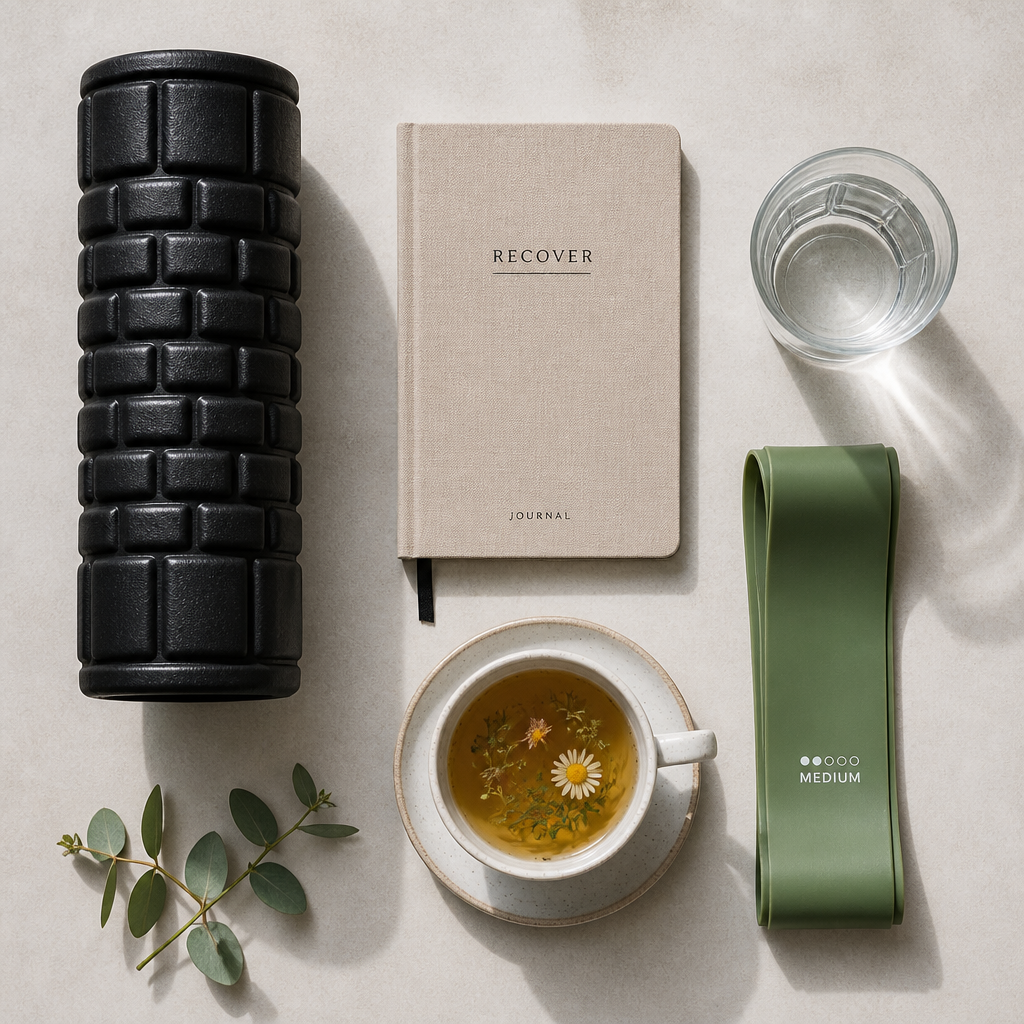
Yoga, gentle swimming, light cycling, walking, and stretching are all solid choices for active recovery. The deciding factor is intensity, not the activity itself. A brisk 5km run is not active recovery. A 30-minute walk at a genuinely easy pace, where you could hold a full conversation the entire time, is. Foam rolling or a gentle massage also fits here and directly supports the goal of bringing oxygen-rich blood flow to tired muscles.
For most people, 20 to 30 minutes of light movement is plenty. There is no benefit to extending an active recovery session to prove a point. The session should end with you feeling better than when you started, not neutral, and certainly not depleted.
Monitor How You Feel Afterward
The simplest quality check for an active recovery day: how do you feel when you return to real training the next session? If you feel rested, refreshed, and physically ready, the recovery day worked. If you feel no different or slightly worse, you likely went too hard. Track this honestly for a few weeks and you will quickly learn exactly what your own body's active recovery sweet spot looks like.
Some personal trainers take one active recovery day and one full rest day each week as separate practices. That combination gives you the benefits of both approaches rather than forcing you to choose one format for every rest day in perpetuity. It is a practical structure worth trying if your schedule allows it.
Pro tip: On active recovery days, pair your movement with a post-session self-care anchor. Ten minutes of gentle stretching followed by a warm bath makes the recovery more complete than movement alone. The bath extends the circulation benefit and the warmth helps muscles release tension they held during movement.
The Mistakes That Cancel Out Your Rest
Choosing the right type of rest day only matters if you actually execute it well. Several very common patterns undermine recovery regardless of which format you choose.
Turning Active Recovery Into a Workout
Overdoing active recovery is one of the most frequent errors, and it is easy to rationalize in the moment. "I'll just do a bit more since I'm feeling okay" is exactly how a light yoga session becomes a power flow that leaves you more fatigued than when you started. Keep intensity genuinely low. If you feel out of breath or your muscles are burning, you have crossed the line.
Spending a Duvet Day Scrolling
Passive screen consumption for hours is not the same as rest. Scrolling through social media keeps your nervous system in a low-level alert state that prevents the parasympathetic shift you actually need. On a genuine duvet day, intentional slow activities, reading, bathing, cooking something simple, sitting outside, do far more for your recovery than the same hours spent on a phone.
Skipping Nutrition and Hydration
Rest days do not mean your body stops needing fuel. Muscle repair, immune function, and hormonal regulation all happen during rest and they all require adequate nutrition. A common mistake is under-eating on rest days because you feel less hungry or feel you "did nothing to earn it." Drink water consistently, eat enough protein to support repair, and stay hydrated, especially if you had a warm bath, which can be mildly dehydrating.
Not Committing to Either
The worst outcome is spending a rest day in limbo: not resting properly, not doing meaningful active recovery, just drifting. Decide your format the night before based on the signals from the previous day's training and your current energy. Commit to it and build your day around it. A half-measure rest day helps no one.
Frequently Asked Questions
How do I know if I need a duvet day or an active recovery day?
The clearest signal is your nervous system state. If you feel foggy, irritable, unmotivated, or your sleep has been poor, choose a duvet day. If you feel physically stiff or mildly sore but your mood and energy are intact, active recovery is likely the better call. When in doubt, do a brief mobility check: if basic movements feel reluctant after two minutes, rest fully.
Can I do both in one day?
You can, but be careful about the order and intensity. A short morning walk followed by an afternoon bath ritual works well. What does not work is treating the active portion as a full workout and then hoping a bath will compensate. The active portion must genuinely stay light for the combination to serve your recovery rather than undermine it.
How often should I take a full rest day?
This depends on your training intensity and life stress load. After high-intensity training sessions, a full rest day is typically the right call. If your active days involve moderate effort, you have more flexibility to use active recovery. Many experienced people find a rhythm of one full rest day and one active recovery day per week, but your schedule will tell you more than any fixed rule.
What are the best self-care practices for a duvet day?
An intentional warm bath in the late afternoon or evening is one of the most effective anchors for a duvet day, supporting both muscle relaxation and better sleep. Pair it with low lighting, a quality candle, a comfortable robe for afterward, and something genuinely relaxing to do during the soak, whether that is reading, quiet music, or simply being still. Avoid screens for at least the final hour before sleep.
Does a warm bath actually help with muscle recovery?
Warm water promotes circulation and helps muscles release tension, which makes it a useful complement to physical recovery. It also supports the nervous system shift from sympathetic to parasympathetic mode, which is particularly valuable on full rest days when you need complete downregulation. Adding bath salts or mineral-rich bath products extends the physical benefit to skin and surface muscle tissue.
Is it okay to do absolutely nothing on a rest day?
Yes, and sometimes it is exactly what your body requires. The central nervous system can carry fatigue for 48 to 72 hours after intense activity. On those days, doing "something" because you feel guilty about resting is counterproductive. Complete rest on those days is not a setback, it is the recovery strategy. The problem is only when full rest becomes a default for every rest day regardless of actual signals.
What should I avoid on an active recovery day?
Avoid any activity that pushes you out of a genuinely conversational pace. If you are breathing hard, you have gone too hard. Also avoid the trap of adding structured sets, timed intervals, or any measurable performance target. Active recovery is not training. It is circulation, mobility, and mental reset at very low intensity. Keep it simple and keep it short.
We would love to hear how you structure your rest days: do you find yourself drawn to full duvet days, active recovery, or some combination of both? Share your experience in the comments.
References
- Active recovery vs. rest day: benefits, differences, and when to use each approach
- NASM guide to choosing between active recovery and full rest days based on training signals
- How active recovery and full rest days differ in their effects on the nervous system and motivation
- Real rest day routines: how personal trainers structure active and full rest days each week
- Active rest day exercises and how to match recovery activity to your fitness level