

Self-Care Subscription Box: What to Check Before You Subscribe
Most people sign up for a self-care subscription box after seeing a polished unboxing photo, and most people regret it within two months. The subscription box industry in North America generates over $32 billion annually according to Statista, but customer churn rates run high because buyers skip the vetting step. Before you hand over your credit card, there are specific things worth checking. This guide breaks down exactly what separates a box worth keeping from one you cancel by month three.
Table of Contents
- Quick Takeaways
- Why Most Subscription Boxes Disappoint
- Curation Quality: What It Actually Means
- Product Variety Versus Product Depth
- Cost Transparency and Value Per Box
- Flexibility: Skipping, Pausing, and Cancelling
- Bath Subscription Canada: Specific Considerations
- Comparing Three Common Subscription Approaches
- Red Flags to Watch Before You Commit
- Frequently Asked Questions
- References
Quick Takeaways
| Key Insight | Explanation |
|---|---|
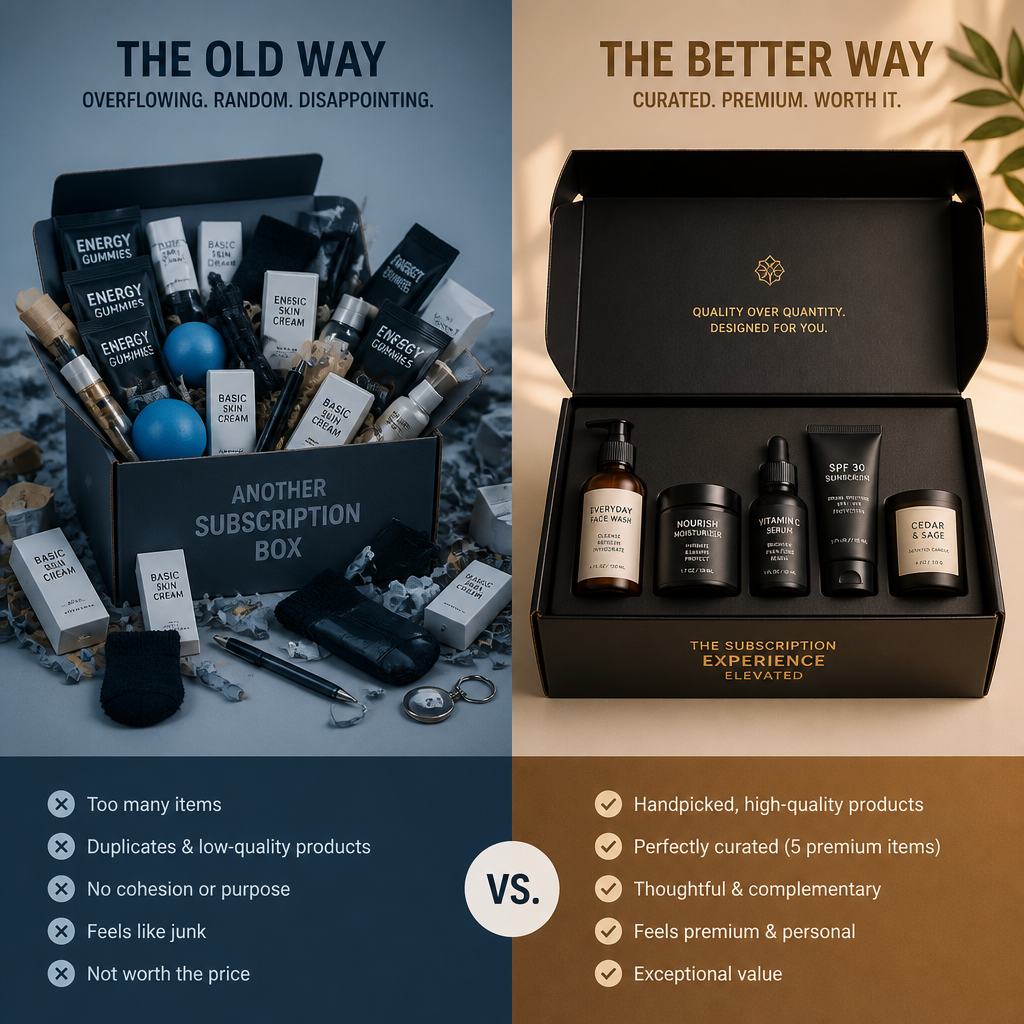
| Curation beats volume every time | A box with five thoughtfully chosen products outperforms one with twelve filler items. Check whether a human curator with stated expertise selects each product. |
| Read the cancellation policy before anything else | Many boxes lock you into 3-month or 6-month prepaid cycles. Know exactly how and when you can exit before subscribing. |
| Retail value claims are often inflated | A "$120 value for $45" claim may use inflated MSRP pricing. Research individual product prices independently. |
| Customization matters more than you think | Boxes that ask about skin type, scent preferences, or lifestyle needs consistently earn higher repeat subscriber rates than one-size-fits-all models. |
| Shipping to Canada adds real costs | US-based boxes often charge $15 to $25 in cross-border shipping and may trigger customs fees. A Canadian-operated curated wellness box removes this friction entirely. |
| Frequency must match your actual usage | Monthly boxes work for bath and body products because most items are consumable. Quarterly boxes tend to accumulate before they get used. |
| Check whether products are full-size or samples | Sample-heavy boxes feel exciting once, then hollow. Full-size products indicate a brand confident in their product quality. |
Why Most Subscription Boxes Disappoint
The core problem with most self-care subscription boxes is not the products themselves. It is the decision-making process behind what goes in the box each month. When curation is driven by supplier relationships, bulk inventory deals, or what is cheapest to include, the subscriber pays for it in the form of generic, unmemorable products they would never have chosen themselves.
A common mistake is treating every subscription as equivalent. There is a meaningful difference between a box assembled from leftover warehouse stock and one where every product was chosen because it fits a specific routine or theme. The former is a clearance sale dressed up with tissue paper. The latter is a service worth paying for.
According to McKinsey research on subscription commerce, the biggest predictor of subscriber retention is not price or packaging. It is perceived personalization and product relevance. Subscribers who feel the box was assembled with them in mind cancel far less often than those who feel like one of thousands receiving the identical box.

Curation Quality: What It Actually Means
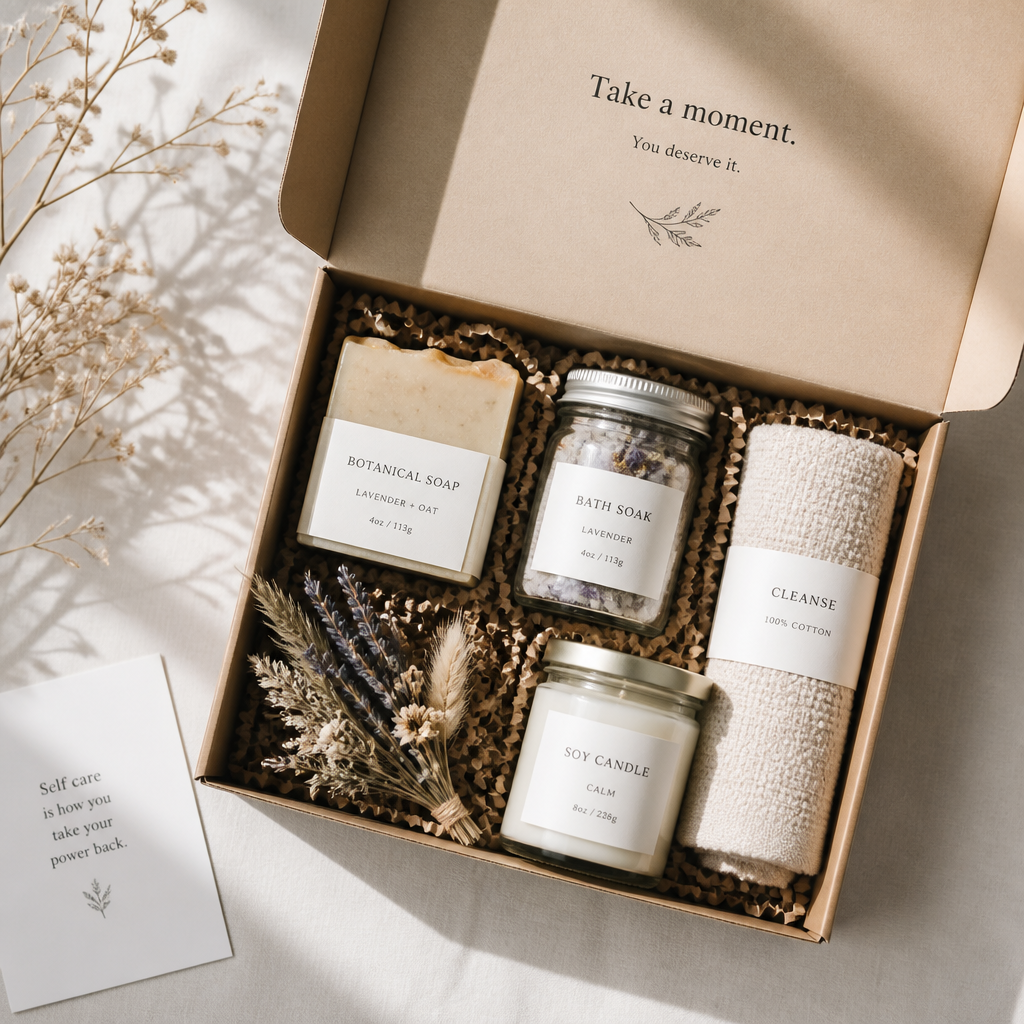
The word "curated" appears on nearly every subscription box website. In practice, very few boxes actually curate in any meaningful sense. Real curation means someone with genuine knowledge of the category, whether it is bath rituals, wellness routines, or skincare, is making deliberate product choices based on criteria beyond margin. Bathorium's Drenched In Renewal Box Set is a useful benchmark for what that actually looks like — a one-time curated set rather than a recurring fill, built around a single cohesive experience instead of whatever was cheapest to ship that month.
Questions to ask about curation
Ask the brand who selects the products and what their criteria are. Do they test products before including them? Do they have relationships with independent makers rather than just large distributors? A brand that can answer these questions specifically is one that takes its role seriously.
At Bathwater and Beyond, for example, product drops are limited and intentional, which means items are not stuffed into a box to hit a perceived value threshold. That approach reflects an actual curatorial position, not a fulfilment model.
What to look for in product sourcing
Look for brands that disclose where their products come from. Canadian-made or independently sourced products tend to indicate a curatorial effort rather than bulk-buy economics. If a box lists the makers or explains why each product was included, that transparency is a strong positive signal.
Pro tip: Search the product names listed in a box's past spoilers on Google. If you find the same products appearing in five other boxes, the curation is likely supplier-driven, not intention-driven.
Product Variety Versus Product Depth
Some subscribers want to discover new product categories every month. Others want depth within a specific ritual, such as a complete bath experience or a focused skincare routine. Neither preference is wrong, but the box you choose should match yours.
Boxes that focus on bath essentials, candles, and relaxation accessories serve a different need than general wellness boxes that might include a supplement, a journal, a face mask, and a tea bag in the same shipment. The latter feels eclectic. The former feels intentional.
In practice, subscribers with a clear self-care ritual, like an evening bath routine, get more out of focused boxes. Every item connects to a use occasion they already have, which means nothing sits unused on a shelf. The product depth model also tends to produce better value because items are sized for real use, not for fitting in a small box.
"Consumers are moving away from novelty and toward ritual. They want products that fit into a routine they are building, not random discoveries that disrupt it." - McKinsey and Company, The Future of the Consumer Packaged Goods Market
Cost Transparency and Value Per Box
Value claims in the subscription box world deserve healthy skepticism. A box claiming $120 in retail value for $45 sounds compelling until you realize the retail prices cited are often manufacturer suggested retail prices that nobody actually pays, or prices from boutique shops that inflate comparison value.
How to calculate actual value
Take three to four products from a past box, search for them individually online, and add up what you would pay at standard retail. If the real-world value is consistently close to or below the subscription price, the math does not work in your favor. If the real-world value genuinely exceeds the subscription price and the products are ones you would buy anyway, that is a legitimate deal.
Watch for hidden costs
Beyond the base subscription price, check for shipping costs, customs fees if ordering from outside Canada, and auto-renewal terms. Some boxes charge a handling fee on top of shipping. Others bill annually upfront with no monthly pause option. These charges are not always prominent in the sign-up flow.
Pro tip: Look for the shipping and billing FAQ page on any subscription site before entering your payment details. If that page is hard to find or vague about refund terms, treat it as a warning signal, not a minor inconvenience.
Flexibility: Skipping, Pausing, and Cancelling
A self-care subscription box should reduce friction in your life, not add it. Yet many boxes make cancellation intentionally difficult, burying the process in a support ticket system or requiring you to cancel by a specific date each month that is easy to miss.
The clearest sign of a subscriber-first brand is a straightforward, self-serve cancellation option. If you cannot pause or cancel directly from your account dashboard without contacting customer support, that is a deliberate retention tactic, not a technical limitation.
Flexibility criteria worth checking before committing:
- Can you skip a month without cancelling entirely?
- Is there a pause option for travel or financial flexibility?
- What is the cutoff date for changes before the next box ships?
- What is the refund policy if a product arrives damaged?
- Is cancellation self-serve or does it require a support interaction?
Brands that handle these transparently are ones that earn long-term loyalty rather than extracting short-term revenue from inertia.
Bath Subscription Canada: Specific Considerations
Canadians searching for a bath subscription Canada option face a specific friction that American subscribers do not: cross-border logistics. US-based boxes frequently charge $15 to $25 in shipping to Canadian addresses, and products crossing the border may trigger customs and duties fees that are not disclosed at checkout.
There is also a product relevance issue. Boxes assembled for a US audience may include products with ingredients not approved for sale in Canada under Health Canada regulations, or they may list prices and promotions in US dollars without clear disclosure.
A Canadian-owned operation like Bathwater and Beyond removes all of that friction. Domestic shipping rates apply, there are no customs surprises, and the product selection operates within Canadian consumer standards from the start. For Canadians specifically, the origin of a subscription service is not a minor detail. It is a practical and financial consideration.
Beyond logistics, a Canadian-operated curated wellness box is more likely to feature independent Canadian makers and smaller-batch products that are not available through large US distributors. That sourcing model often results in higher product quality and a more distinctive experience than a box filled with mass-market brands you could buy at any drugstore.
Comparing Three Common Subscription Approaches
| Subscription Type | Best For | Watch Out For |
|---|---|---|
| Large general wellness box (US-based) | Broad product discovery across multiple categories including supplements, snacks, and beauty | High cross-border shipping costs for Canadians, inconsistent curation, filler products used to inflate perceived value |
| Specialty bath and body box (Canadian-operated) | Subscribers building a consistent evening ritual who want full-size products within a focused category | Smaller product range per box by design, may sell out quickly due to limited drops |
| Customizable skincare or beauty box | Subscribers with specific skin concerns or brand preferences who want personalization | Customization quizzes often produce generic results, personalization claims vary widely in actual execution |
Red Flags to Watch Before You Commit
Not every subscription box problem is obvious from the homepage. Some warning signs only appear when you look at the fine print or the customer review history. Here are the ones that matter most.
Vague product previews
If a brand never shows past box contents or only shows curated lifestyle photography without actual product detail, they are likely hiding inconsistent quality. Reputable boxes share past spoilers or monthly themes with enough detail to let you assess whether the products suit you.
No visible return or damage policy
Bath and wellness products occasionally arrive damaged, especially in cold Canadian winters when candles and glass packaging are vulnerable. A brand with no visible policy for damaged goods is a brand that will make resolution difficult.
Reviews that cluster around the launch period
A box with 200 five-star reviews all posted in the same three-month window, and few reviews after that, suggests early buzz followed by subscriber drop-off. Look for review patterns over time, not just the overall star rating.
Billing without reminder notifications
Subscriber-first brands send a reminder a few days before billing so you can make changes or skip if needed. Brands that bill without notice are relying on you forgetting, not on you being happy with the service.
Frequently Asked Questions
How do I know if a self-care subscription box is actually worth the cost?
The clearest test is to find three to five products from a past box and look up their individual retail prices. If the combined real-world cost consistently exceeds what you paid for the subscription including shipping, the value holds up. If the math only works using inflated MSRP comparisons, it does not.
What is the difference between a curated wellness box and a general beauty subscription?
A curated wellness box is organized around a specific use occasion or ritual, like an evening bath or a wind-down routine, and every product is chosen to serve that occasion. A general beauty subscription covers a wider category and prioritizes variety and discovery over thematic consistency. Wellness boxes tend to produce less product waste because items fit a routine you already have.
Are there good bath subscription Canada options that avoid cross-border shipping fees?
Yes. Canadian-operated subscription services handle everything domestically, which means no customs fees, no US-to-CAD currency surprises, and shipping rates that reflect Canadian postal zones rather than international rates. Bathwater and Beyond is a Canadian-owned option focused specifically on bath and self-care products with limited monthly drops rather than a recurring auto-fill model.
How often should a self-care subscription box ship?
Monthly frequency works best for bath and body products because most items in that category are consumable. Candles, bath soaks, body oils, and similar products get used within a month of regular use, which means the timing aligns with restocking needs. Quarterly boxes tend to create pile-up, especially for non-consumable items like robes or accessories.
What should I do if I receive a damaged product in my subscription box?
Document the damage with a photograph immediately and contact the brand within 48 hours. Reputable brands will replace or credit damaged items without requiring you to return the product. If the brand does not have a clear damage or satisfaction policy visible on their site before you subscribe, factor that into your decision.
Is it better to buy a one-time box or commit to a subscription?
Starting with a one-time or month-to-month option is almost always the smarter move. It lets you assess product quality, shipping reliability, and whether the curation actually matches your preferences before you commit to a prepaid cycle. Brands that do not offer a flexible entry point are often banking on the difficulty of cancellation rather than on subscriber satisfaction.
What are the best self-care gifts for someone who travels frequently?
Travel-friendly formats win here: solid shampoo bars, rollable robes in lightweight fabric, travel-size versions of luxury bath products, and compact candles with lids. The goal is to make their hotel or Airbnb feel like their own space. Anything that folds, seals, or fits in a carry-on is a practical upgrade they will actually bring with them.
Have you tried a self-care subscription box that exceeded or disappointed your expectations? Share what made the difference for you in the comments.
References
- Statista: subscription box market size and consumer behavior data in North America
- McKinsey and Company: research on subscription commerce, personalization, and consumer retention trends
- Forbes: analysis of what drives subscription box churn and customer loyalty in e-commerce
- Health Canada: product safety standards and regulations for personal care and wellness products sold in Canada
- HubSpot: consumer expectations data on e-commerce flexibility, cancellation policies, and subscription retention