

Summer Self-Care: Best Cooling Bath Rituals for July
Most people treat summer self-care as sunscreen and hydration, then wonder why they still feel overheated, restless, and wired at 11 PM. The problem is not the heat. The problem is the evening routine. Body temperature needs to drop by roughly one to two degrees Fahrenheit to trigger restful sleep, and a well-designed cooling bath ritual can accelerate exactly that process. This guide covers specific, tested rituals for hot summer nights, built around a simple, quality-forward approach that works without overcomplicated routines.
Table of Contents
- Why Summer Self-Care Is Different
- The Science of Cooling Bath Rituals
- Building Your Cooling Bath Ritual Step by Step
- Best Ingredients for a Summer Cooling Bath
- Cooling Bath Methods Compared
- Common Mistakes in Summer Self-Care Rituals
- How to Extend the Cooling Effect After Your Bath
- Frequently Asked Questions
Quick Takeaways
| Key Insight | Explanation |
|---|---|
| Lukewarm beats cold for cooling down | A bath at 92 to 95 degrees Fahrenheit draws heat away from the body more effectively than an ice-cold shower, which causes skin to constrict and trap heat inside. |
| Timing matters more than temperature | Taking a cooling bath 60 to 90 minutes before bed gives your core temperature time to complete its drop, which directly supports sleep onset. |
| Peppermint and eucalyptus are the top summer scents | Both contain menthol compounds that activate cold-receptor nerves in the skin, creating a cooling sensation even at room temperature. |
| Baking soda is an underrated summer bath ingredient | One cup added to your bath helps counter skin acidity from sweat, soothes sunburn irritation, and softens skin without stripping natural oils. |
| Keep post-bath products light | Heavy body butters and thick creams block the cooling evaporation process. Opt for lightweight aloe-based lotions or body mists instead. |
| Cotton robes outperform fleece in summer | A breathable cotton or waffle-knit robe maintains comfort without re-raising your body temperature the way heavier fabrics do. |
| Ritual consistency amplifies results | Doing the same cooling bath ritual three or more nights per week trains your body to associate those cues with sleep, making the routine faster and more effective over time. |
Why Summer Self-Care Is Different
The self-care practices that work perfectly in October do not automatically transfer to July. Thick bath oils feel suffocating in 30-degree heat. Heavy candles with warm vanilla and amber scents can make a small bathroom feel oppressive rather than relaxing. Winter self-care is about warmth and insulation. Summer self-care is about regulation and release.
This distinction matters because most self-care content is written without a seasonal lens. You get the same bath salt recommendations year-round, the same robe suggestions, the same "light a candle and relax" advice regardless of whether it is minus ten outside or a humid July evening.
A properly designed summer self-care practice addresses three things: body temperature regulation, skin recovery from sun and sweat exposure, and nervous system downshift after long, bright, stimulating days. Get all three right and you will notice the difference within the first week. For the year-round version of the sequence, see our evening self-care routine guide.
The Science of Cooling Bath Rituals
The physiological case for a cooling bath ritual is well-established. The body's core temperature naturally begins to decline in the evening as part of the circadian rhythm, and warm water baths accelerate this process by pulling heat to the skin's surface and releasing it into the environment. The result is a faster and more pronounced internal cool-down than simply waiting it out in air conditioning.
In practice, the numbers translate simply. You do not need an ice bath. You do not need elaborate equipment. A bathtub filled to a comfortable lukewarm temperature with a few targeted ingredients does the physiological work you need it to do.
Why Cold Showers Are Not the Answer
A common mistake is reaching for a cold shower on a hot night and expecting it to cool you down for sleep. Cold water causes peripheral vasoconstriction, meaning your blood vessels near the skin narrow to protect core warmth. This actually locks body heat in rather than releasing it. The discomfort signal also activates mild stress hormones, which work against sleep onset.
Lukewarm baths work because they stay warm enough to keep blood vessels dilated and open, allowing heat to radiate outward from the body surface. The slight temperature differential between the warm-but-not-hot water and your elevated summer body temperature does the cooling work efficiently and gently.
Building Your Cooling Bath Ritual Step by Step
A ritual is different from a bath. A bath is a single act. A ritual is a sequence of sensory cues that train your nervous system to downshift on command — a point we make in full in why consistency beats perfection. The sequence matters as much as the individual elements.
Step 1: Set the Environment Before You Fill the Tub
Lower the bathroom lighting or switch to a single candle. Choose a light, clean-scented candle with notes of mint, cucumber, green tea, or citrus rather than heavy florals or warm spices. These cooler scent profiles do not compete with the sensory cooling effect you are trying to create. Our guide to choosing the right candle scent covers how to match scent to intent. Open a window if possible, or run a small fan to keep air moving.
Step 2: Fill the Tub to Lukewarm
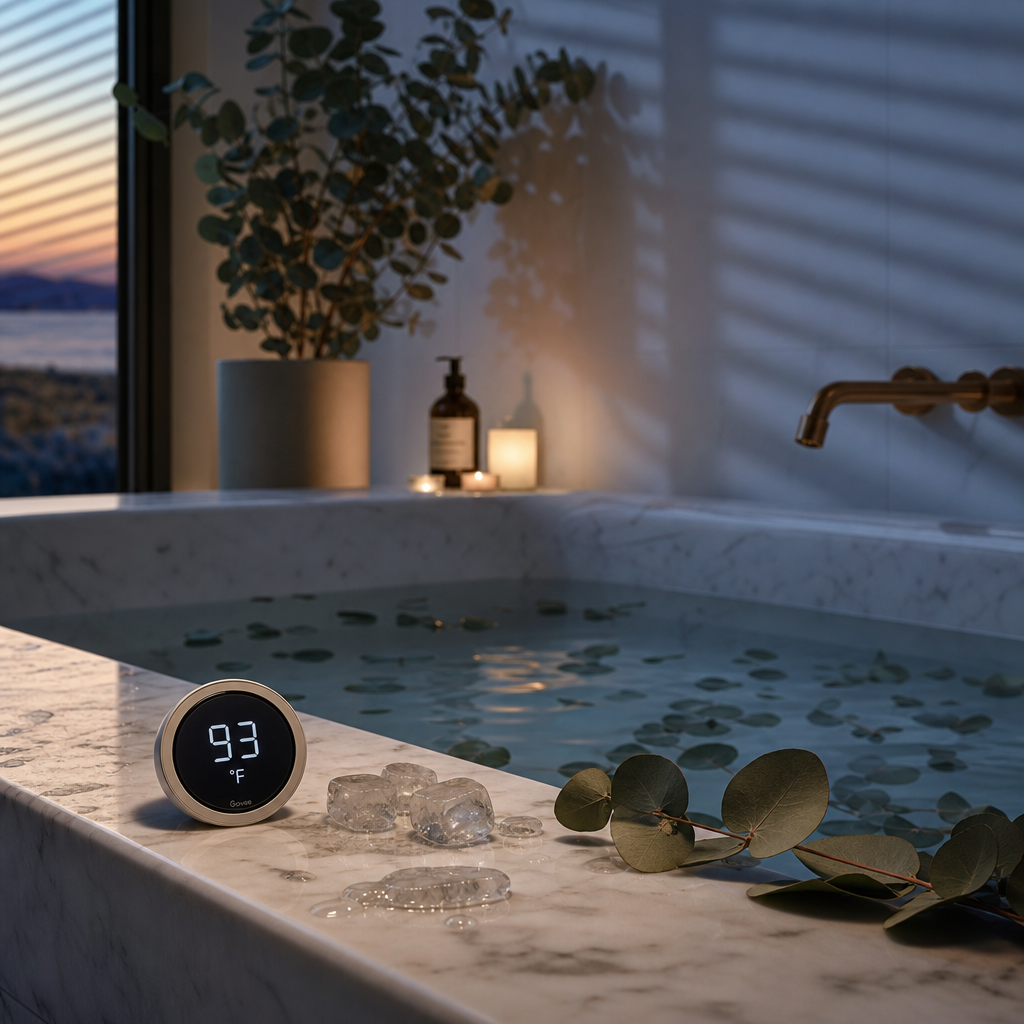
Target a water temperature between 92 and 98 degrees Fahrenheit. If you do not have a thermometer, test with your wrist. It should feel slightly cool to warm, not hot. This is the range where vasodilation is maximized and the cooling after-effect is strongest.
Step 3: Add Your Cooling Bath Ingredients
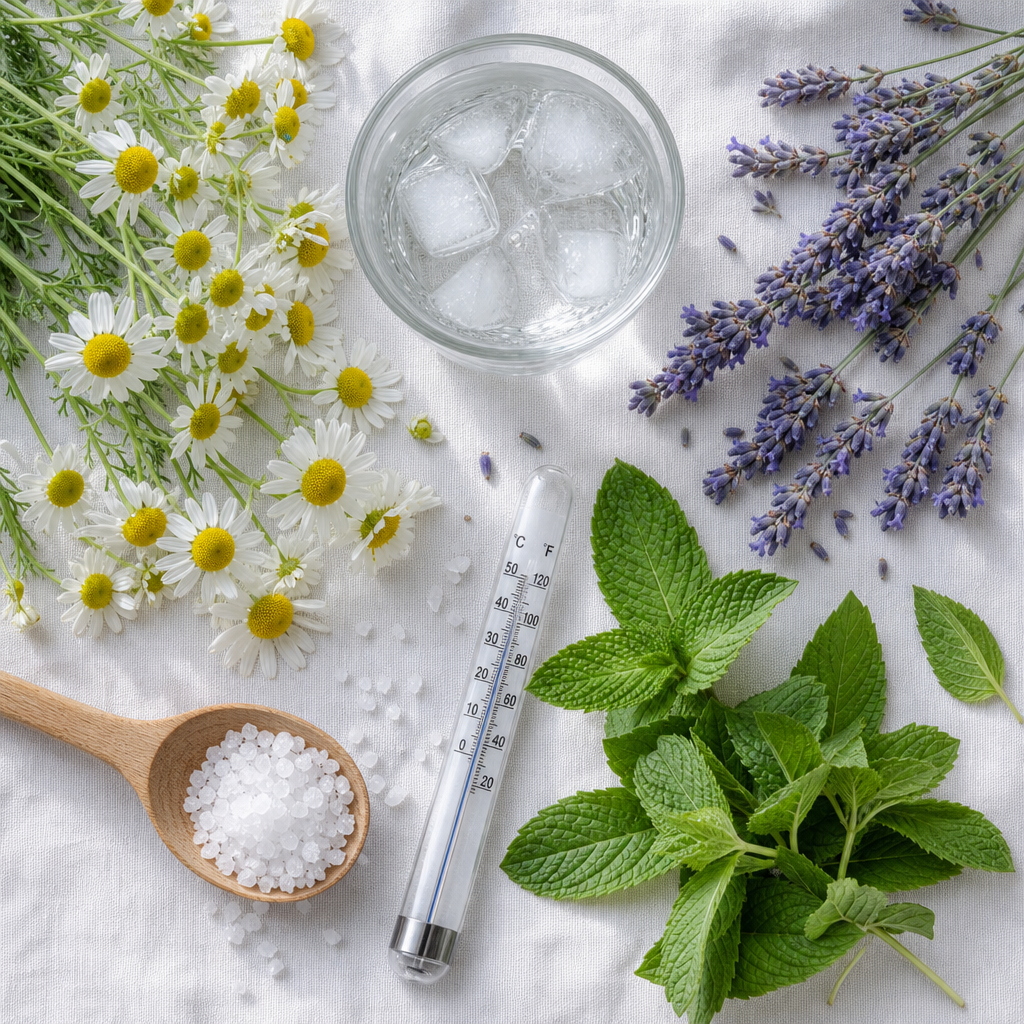
Add ingredients as the tub fills so they disperse evenly. The best combination for a hot night: one cup of fine-grain Epsom salt for muscle recovery and mineral replenishment, half a cup of baking soda for sunburn and sweat-acidified skin, and five to eight drops of peppermint or eucalyptus essential oil blended into a tablespoon of carrier oil first to prevent direct skin contact. Our guide to choosing bath salts covers the differences between salt types.
Step 4: Soak for 15 to 20 Minutes
This is the minimum time required for the thermoregulation effect to register. Less than 15 minutes and your core temperature has not had enough time to respond. Longer than 25 minutes and you risk mild dehydration, especially on hot days when you are already running a fluid deficit. Keep a glass of cold water nearby and drink during the soak.
Step 5: Exit Slowly and Pat Dry
Do not rub dry aggressively. Pat the skin and leave a thin layer of moisture on the surface. This enhances the post-bath evaporative cooling effect and allows any lightweight aloe or body mist product to absorb better. Change into breathable cotton or bamboo fabric immediately.
Pro tip: Store your post-bath body mist or aloe gel in the refrigerator during summer. Applying a chilled product immediately after your bath extends the cooling sensation and makes the transition to sleep noticeably smoother.
Best Ingredients for a Summer Cooling Bath
Not every bath product belongs in a summer ritual. This section covers what actually works for self-care in summer, based on both the chemistry of the ingredients and real-world use during high-heat months.
Epsom Salt
Magnesium sulfate supports muscle relaxation and has a mild soothing effect on skin that has been exposed to sun. It dissolves fully at lukewarm temperatures with no residue. It is the single most universally useful summer bath ingredient.
Baking Soda
Underused and underrated. After a day in the heat, skin can feel irritated from sweat buildup. Baking soda softens the bath water gently, restoring skin comfort. It is also one of the few effective and affordable ways to ease mild sunburn sting during a bath.
Peppermint Essential Oil
Menthol in peppermint oil binds to TRPM8 cold-receptor channels in the skin, producing a genuine physiological cooling sensation independent of actual water temperature. This is not a placebo effect. Use it diluted, never directly in the water without a carrier oil, and cap at eight drops per bath to avoid skin sensitivity.
Aloe Vera
Aloe is widely used to soothe skin after sun exposure. Adding a tablespoon of pure aloe gel to your bath water creates a light, slightly silky feel without the heaviness of oils. It is particularly effective after beach or outdoor days.
Colloidal Oatmeal
Recognized by the FDA as a skin protectant, colloidal oatmeal is one of the most evidence-backed bath ingredients for irritated, heat-stressed, or sun-exposed skin. One cup in a lukewarm bath reduces itching and redness associated with minor sunburn or heat rash.
Pro tip: Avoid heavy bath oils, coconut oil, and thick floral bath bombs in your summer evening ritual. These coat the skin and impair the evaporative cooling process that makes the post-bath cool-down so effective. Save them for autumn and winter routines.
Cooling Bath Methods Compared
There are three main approaches people use for evening cooling during hot summer months. Each has real trade-offs worth understanding before you commit to a method.
| Method | How It Works | Best For |
|---|---|---|
| Lukewarm Epsom and Peppermint Bath | Vasodilation releases stored body heat while menthol activates cold receptors. Combined effect lowers perceived and actual skin temperature post-bath. | People with muscle fatigue, sun exposure, and trouble sleeping in heat. The most complete summer evening ritual. |
| Cool Foot Soak | A basin of cool (not ice cold) water targeting the feet and ankles, which have a high concentration of blood vessels close to the skin surface, redistributes heat from the core. | People without a bathtub, those who want a faster 10-minute option, or anyone with particularly swollen feet after a hot day. |
| Cold Shower Followed by Air Drying | Cold water temporarily shocks the surface, but vasoconstriction limits the internal cooling effect. Some evaporative cooling occurs if you air dry rather than towel off. | Quick refresh after outdoor activity. Not ideal as a standalone sleep-preparation tool. |
In practice, the lukewarm full bath is the most effective option for genuine sleep preparation on hot nights. The foot soak is a legitimate secondary option for evenings when a full bath is not practical. The cold shower is the weakest option for sleep-focused cooling despite feeling intuitively right in the moment.
Common Mistakes in Summer Self-Care Rituals
A common mistake is assuming that any bath on a hot night is automatically beneficial. The details of temperature, product choice, and post-bath behavior either amplify or undercut the effect significantly.
Making the Bath Too Hot
It feels counterintuitive, but a very hot bath on a summer evening raises core body temperature rather than lowering it. Unless you have at least 90 minutes before bed and a well-cooled room to recover in afterward, a hot bath in July is actively working against your sleep. Keep it lukewarm and deliberate.
Using Stimulating Scents
Citrus and rosemary are energizing scents. They are excellent for morning showers. They are the wrong choice for an evening cooling ritual where the goal is nervous system downshift. Stick to peppermint, eucalyptus, lavender, or cucumber for your summer evening bath environment.
Skipping Hydration During the Soak
You sweat during a warm bath even when the water temperature is mild. On a hot day when you are already dehydrated, skipping water during a 20-minute soak compounds the deficit. Drink at least one glass of cold water before or during every summer evening bath.
Applying Heavy Products Immediately After
This mistake is extremely common. Heavy body butter applied to skin right out of a cooling bath creates a seal that traps remaining heat and blocks the evaporative cooling your skin is trying to complete. Wait 10 minutes after your bath before applying any product, and choose a lightweight formulation designed for warm-weather use.
How to Extend the Cooling Effect After Your Bath
The cooling benefit from a well-executed summer bath ritual does not have to stop when you step out of the tub. A few deliberate choices in the 30 minutes after your bath can extend and deepen the effect significantly.
Choose the Right Robe
A breathable cotton or waffle-weave robe after a summer bath is not a luxury, it is a functional tool. It absorbs residual moisture while allowing air circulation, supporting the evaporative cooling process rather than blocking it. Thick fleece and plush robes trap warmth against the body, which is exactly what you do not want in July. Our guide to choosing a bath robe and towels covers weight and weave in detail.
Dim Everything and Lower Stimulation
Blue light from phones and screens suppresses melatonin, which counteracts the cooling and calming effect of your bath ritual. The 30 minutes after your summer bath ritual are most effective when spent in low light, away from screens. This is not about phone addiction, it is about not throwing away the physiological work your bath just did.
Use a Linen Pillow Mist or Room Mist
A light room or pillow mist with eucalyptus, mint, or light citrus creates an environmental sensory cue that extends the ritual atmosphere from bathroom to bedroom. The scent association also reinforces the habit loop over time, making it easier to mentally downshift on nights when the heat makes relaxation harder.
Frequently Asked Questions
What temperature should a cooling bath be in summer?
The target range is 92 to 98 degrees Fahrenheit, which is slightly below normal body temperature. This range keeps blood vessels dilated so heat can radiate outward efficiently, while still being comfortable enough to soak in for the full 15 to 20 minutes needed for the thermoregulation effect to work. Avoid going below 90 degrees Fahrenheit, as this can cause mild vasoconstriction and reduce the cooling benefit.
How many times a week should I do a cooling bath ritual?
Three to four nights per week is the minimum needed to train a consistent sleep-onset response. Doing it every single night is fine, though some people find that daily Epsom salt soaks can mildly dry out skin over time. If you are bathing daily, reduce Epsom salt quantity to half a cup and add a tablespoon of aloe gel to compensate.
Can I do a cooling bath ritual if I have sensitive or sunburned skin?
Yes, but modify the approach. Skip peppermint essential oil entirely if skin is sunburned or actively irritated, as menthol can intensify stinging on broken or inflamed skin. Instead, use colloidal oatmeal and baking soda only, both of which are soothing and widely recommended for sun-exposed skin. Keep the water on the cooler end of the range, around 92 to 94 degrees Fahrenheit.
Do cooling baths actually improve sleep quality?
The evidence says yes, specifically when timed correctly. A 2019 meta-analysis published in Sleep Medicine Reviews found that warm water bathing or showering one to two hours before bed improved sleep onset latency by an average of about 10 minutes and improved overall sleep quality scores. The mechanism is core body temperature reduction. The key is timing, not just temperature.
What candles work best for a summer cooling bath ritual?
Choose candles with clean, light scent profiles: peppermint, eucalyptus, green tea, cucumber, or soft white florals like jasmine or lily. Avoid warm amber, sandalwood, vanilla, and spice blends, which are associated with warmth and stimulation. A single small candle in a well-ventilated bathroom is enough. Burning multiple large candles in a small bathroom on a hot night raises the ambient temperature noticeably.
What is the best way to moisturize after a summer cooling bath?
Wait 10 minutes after stepping out of the bath before applying anything. Then use a lightweight aloe-based body lotion, a cooling body mist, or a gel moisturizer specifically formulated for warm weather. If you store your post-bath product in the refrigerator, the chilled application extends the cooling sensation. Avoid body butters, coconut oil, and any cream-heavy formulation until the evenings cool down in autumn.
Are foot soaks a good alternative to a full cooling bath?
Yes, and they are underestimated as a summer self-care option. The feet contain a high density of blood vessels close to the skin surface, which makes them particularly efficient at heat transfer. A 10 to 15 minute foot soak in cool water can produce a noticeable drop in perceived body temperature suitable for sleep preparation. Add a few drops of diluted peppermint oil for enhanced cooling.